














Blog
Which Office Cleaning Materials Improve Workplace Hygiene?


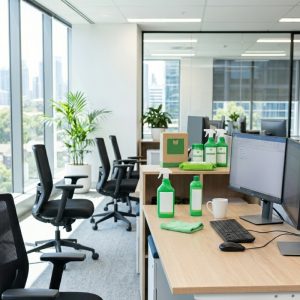
The materials that improve workplace hygiene are the ones used correctly every day, not the flashy bits that sit idle. From microfibre that traps fine soils to neutral cleaners that leave no tacky film, office cleaning materials shape habits and results. Because every touchpoint matters, pairing quality gear with simple routines keeps germs down and morale up. You also protect finishes, reduce irritants, and speed up tasks during peak times. Even better, a tight, standardised kit avoids confusion and waste, so the place stays clean. Standardising tools and labels prevents guesswork during busy changeovers. Clear dilution systems reduce waste and ensure consistent results across shifts. Fit-for-purpose dispensers, mats, and PPE reduce slips, odours, and complaints without slowing workflows. That mix keeps budgets steady and hygiene standards on the front foot. This article maps practical choices for Australian offices and shows how to build a no-fuss, auditable setup.
Why is it important to invest in quality office cleaning materials?
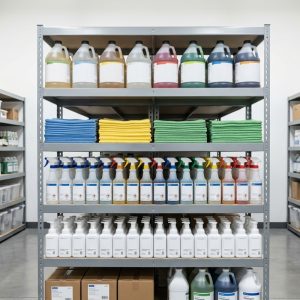
Wise investment in hygiene improves performance because high-performing tools remove more soil in fewer passes. It also simplifies training, so new staff hit the ground running. Over time, better gear reduces rework and surface damage, which keeps complaints down. Here are the investment priorities:
- Colour-coded microfibre: Cloths and mop pads that separate kitchens, desks, and bathrooms to prevent mix-ups.
- Durable sprayers: Trigger bottles that don’t leak and deliver a fine, even mist for proper dwell time.
- Clear-dilution concentrates: Pictogram labels so anyone can make a ready-to-use solution safely.
- Segmented caddies: Storage that separates chemicals, cloths, and liners to stop cross-contamination.
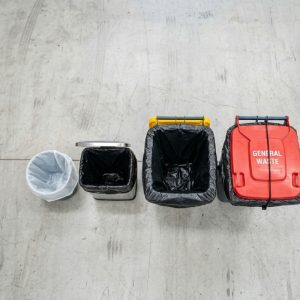
- Fit-for-purpose bins: Foot-pedal lids in kitchens and bathrooms to reduce touchpoints.
Standardised kits reduce the risk of absenteeism and minimise cross-contamination in shared areas. For procurement consistency, set your SOPs around efficient solutions using premium cleaning materials, then align training and audits to those specs for steady results.
Which cleaning chemicals are safest for everyday office use?
Every day use calls for low-tox chemistries matched to risk. Neutral cleaners protect finishes, while water-based disinfectants cover high-touch points when dwell times are respected. Fragrance-free options help staff who are sensitive to scents. Here are the safe chemical picks:
- Neutral multipurpose cleaner: Daily desks, doors, and partitions without residue build-up.
- Food-safe degreaser: Kitchens and appliances where oils and fats accumulate.
- Glass cleaner: Fast-flash formula for screens and dividers, streak-free.
- Hospital-grade disinfectant: Touchpoints; only effective when contact time is met.
- Enzymatic cleaner: Sink traps and bin zones where organic odours linger.
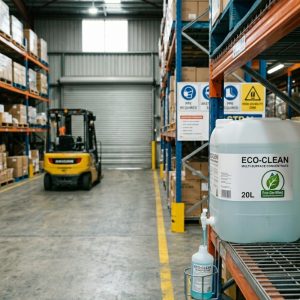
Use calibrated sprayers and sealed, labelled bottles to prevent dilution errors and spills. Training that pairs PPE with mixing steps supports reduced chemical exposure while preserving surface integrity. Keep SDS accessible, and you’ll sail through audits, no worries.
How do air fresheners and dispensers improve workplace hygiene standards?

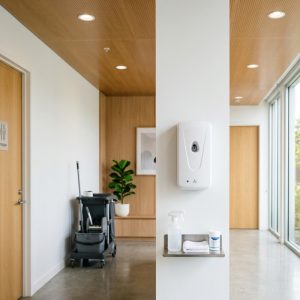
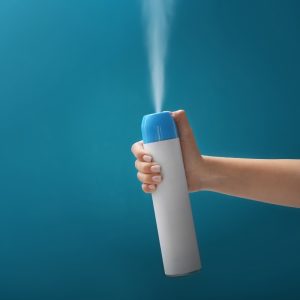
Air care shapes behaviour by signalling cleanliness, which nudges better habits in restrooms and kitchens. While it never replaces cleaning, controlled dosing reduces stubborn odours that can undermine confidence in hygiene. Here are the air care practices:
- Targeted placement: Mount dispensers away from vents to avoid dead zones and scent spikes.
- Adjustable intervals: Set timing based on occupancy patterns rather than fixed guesses.
- Odour neutralisers: Position near bins and sinks to treat smells at the source.
- Fragrance selection: Neutral profiles for open plan; citrus for kitchen zones.
- Logbook tracking: Record cartridge changes and feedback to refine settings.
Connect air care to your broader kit by using essential office cleaning items every workplace needs as a practical framework, then fine-tune intervals based on staff feedback and usage data. Steady scent levels reduce complaints and help keep shared spaces tidy.
What office cleaning materials are essential for floor and surface care?
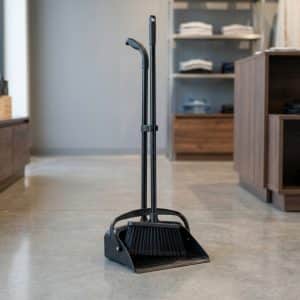
Floors bring in grit, moisture, and germs, so your kit must remove soil fast and dry quickly. Microfibre flat mops with neutral cleaner reduce residue and protect finishes. For desks and partitions, soft cloths lift dust without scratching glass or laminate.
Informative table — matching tasks to materials
|
Task |
Material |
Why it matters |
Pro tip |
|
Entry control |
3-stage matting |
Captures grit and moisture at the door |
Wash or replace weekly |
|
Daily hard floors |
Microfibre flat mop |
Fast dry times and fewer chemicals |
Light, damp, neutral cleaner |
|
Periodic scrub |
Red/blue pads |
Removes film and heel marks |
Patch test finishes |
|
Desks/partitions |
Soft microfibre cloth |
Lifts dust and fingerprints |
Colour-code by zone |
|
Carpets/rugs |
Spotting kit |
Treats spills before they set |
Blot, don’t rub |
Here are the floor and surface essentials:
- Neutral cleaner: Protects sealed vinyl, laminate, and most stone.
- High-absorbency mop: Backup for spills to shorten drying and reduce risk.
- Non-scratch pads: Remove stuck-on residues without marking finishes.
- Carpet spotter duo: Protein and tannin treatments for common stains.
- Entry matting: Scrape, absorb, and finish zones to prevent grit from entering.
If ordering in volume, build your criteria around label clarity, compatible dispensing, and how to choose safe and effective bulk cleaning materials, then lock your SKUs before pallets arrive to avoid costly resets. Faster dry times and careful spot cleaning help reduce slip incidents and keep foyers cleaner during peak traffic.
How can paper products and dispensers help maintain restroom hygiene?
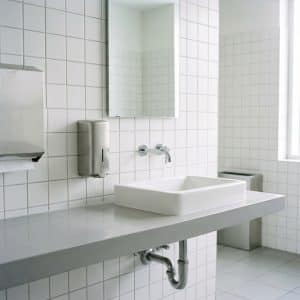
Restrooms set hygiene perceptions because traffic is high and expectations are higher. Controlled-use dispensers reduce over-pulling, and quality paper dries hands faster, which limits water tracking across floors. Lockable units protect stock and cut tampering. Here are the restroom setup tips:
- Twin-roll or jumbo tissue: Minimises run-outs during peak breaks and events.
- Folded hand towels: Faster dry times than blowers in splash zones.
- Controlled-use dispensers: Fixed pull length to curb waste and mess.
- Alcohol hand rub: Stations near exits for visible hygiene reinforcement.
- Spare keys and parts: Quick fixes prevent downtime and complaints.
With steady restocking rounds, vanities stay tidy and mirrors remain clearer. Because set-ups influence behaviour, calibrated systems result in less paper waste and fewer blockages. Choose recycled content when performance equals that of alternatives, and you’ll trim costs without copping grief.
Which protective wear and gloves should office cleaners use daily?
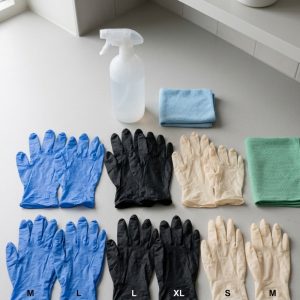
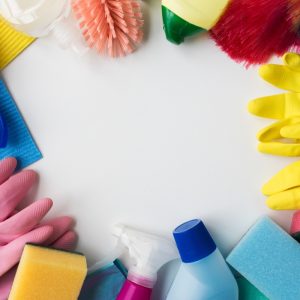
PPE keeps cleaning safe and efficient by shielding skin, eyes, and clothing during routine tasks. Nitrile gloves handle most chemicals, and safety glasses protect during decanting. For wet work, cuffed options stop seepage and keep sleeves dry. Here are the daily PPE essentials:
- Nitrile gloves: Chemical resistance and good grip across sprays and wipes.
- Safety glasses: Essential for decanting, mixing, and high-pressure sprayers.
- Apron or gown: Splash protection that keeps uniforms professional.
- Slip-resistant footwear: Better traction on damp floors during mopping.
- Cut-resistant liners: Extra protection when handling unknown waste or sharps.
Align your SOP with Australian health standards for routine cleaning so controls match the real risks on site—not guesswork—which supports improved hand protection and steadier workflows.
Final thoughts
Sustainability lands best when performance holds firm. Concentrates in refillable bottles cut packaging, recycled paper reduces footprint, and washable microfibre keeps waste down. Balance greener picks with outcomes, and pivot if hygiene dips. During supplier reviews, compare lead times, SDS clarity, and training support; then lock specifications for a quarter before tweaking. For tailored advice about compatibility or dilution systems, explore how AC Cleaning Supplies supports cleaner workplaces while using controlled trials and simple KPIs to keep decisions on the straight and narrow.