




















Blog
Which Cleaning Items Actually Cut Your Monthly Budget in 2026?

Why some products reduce spend more than others
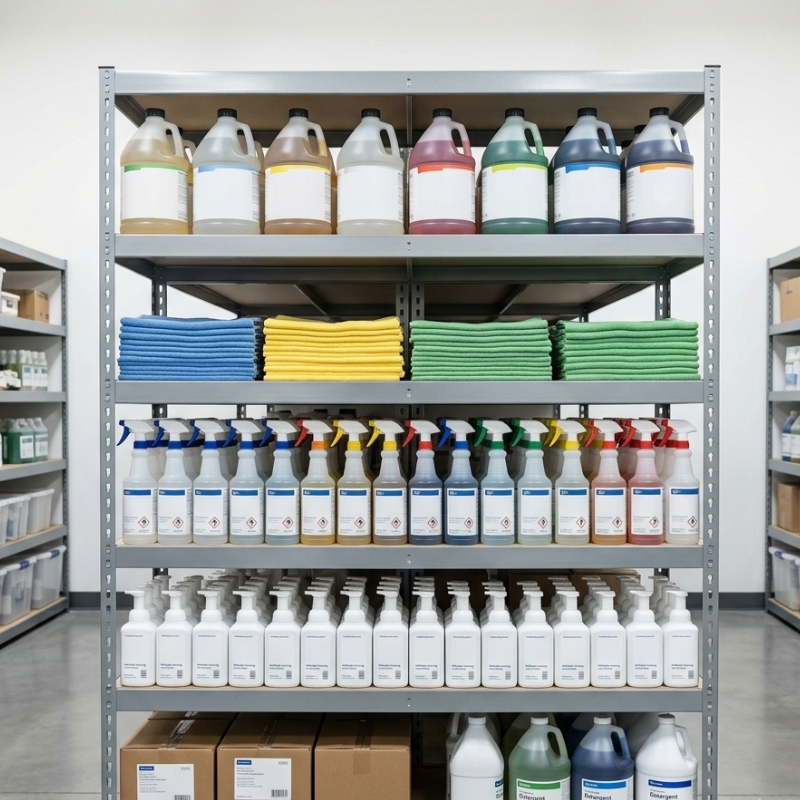
Many businesses assume every bulk purchase of wholesale cleaning supplies pays for itself, yet the invoices tell a different story. A product’s pack size, shelf life, dilution rate and freight profile determine whether buying in volume lowers your outgoings or ties up cash you need elsewhere.
Early in 2026, three families of products are proving the most reliable cost-cutters for companies ordering nationwide:
- High-concentration floor cleaners
- Multi-surface microfibre cloths sold by the carton
- Refillable foaming hand soaps
Buying these lines through a reputable wholesale cleaning supplies distributor keeps the unit cost low while reducing how often staff need to top up stock.
Concentrates cost less per bucket than ready-to-use liquids
Concentrated chemicals remain the quiet achievers of the cleaning budget. A five-litre drum of neutral floor cleaner that dilutes 1:80 produces about 400 litres of working solution. Even with modest price rises forecast for the new financial year, the effective cost per bucket stays under a dollar.
Two reasons the numbers stack up:
- Freight efficiency. Fewer pallets travel the country, which matters when diesel surcharges fluctuate.
- Storage space. One shelf of concentrates can replace an entire aisle of pre-mixed bottles, freeing room for higher-margin inventory.
Concentrates only pay off if staff measure them accurately. An uncalibrated dispensing station can double product usage without anyone noticing. Schedule a quarterly calibration and log the actual dilution ratios to lock in the savings.
Reusable microfibre beats paper in high-traffic sites
Paper wipes feel inexpensive until the weekly carton count lands on your desk. Microfibre cloths purchased in bulk cartons cost more up front but survive 300 to 500 commercial laundry cycles. Independent testing in January 2026 put the break-even point at roughly 15 washes for mid-weight cloths used in hospitality venues.
Key points for buyers:
- Choose colour-coded packs to separate kitchen, bathroom and front-of-house jobs. Cross-contamination fines from local councils still sit north of $2,200.
- Verify the GSM rating. Cloths under 250 gsm tend to fray before hitting the payback mark.
- Factor laundering in. Outsourcing the wash to a linen service costs around 70 cents per cloth per week in capital cities, still less than single-use rolls.
If your team already tracks wipe consumption, compare that figure against the projected microfibre lifespan to model the exact saving.
Related reading
Midway through your cost analysis, it helps to revisit the fundamentals of volume buying. Our existing guide, Can Bulk Cleaning Chemicals Save Costs For Small Businesses?, breaks down the volume breaks and freight tiers that still apply in 2026.
Refillable soap systems keep waste and spend down
Hand hygiene stations proliferated during the pandemic, and they are not disappearing. The new challenge is lowering the monthly bill without compromising compliance with Safe Work Australia hand-washing guidelines. Bag-in-box or cartridge-based foaming soaps solve two problems:
- Lower product weight. Foam uses roughly 30 per cent less liquid per wash than lotion equivalents.
- Less plastic. One rigid wall dispenser can serve thousands of actuations before parts wear.
A case study from a Melbourne aged-care provider shows soap cartridge costs fell 22 per cent after switching to one-litre foam pouches in early 2025. The trend continues into 2026 as more suppliers align cartridge sizes with international standards.
When negotiating supply agreements, request EPR (extended producer responsibility) data from vendors. It outlines recycling obligations under state regulations and can support your ESG reporting.
Where buying in volume stops saving you money
Not every line item benefits from pallet-level orders. The following categories often erode savings:
- Disposable gloves. Nitrile prices fluctuate with oil futures, and expiry dates creep closer than many buyers realise. Unless turnover is high, smaller monthly orders remain safer.
- Scented air freshener cans. Fragrance preferences change with branding updates, and cartons gather dust when a venue rebrands.
- Mops with fixed heads. Bulky to ship and prone to mildew in humid storerooms. Modular mop systems with replaceable pads make better long-term sense.
Conduct a quarterly dead-stock audit. Any SKU sitting untouched for 90 days should be flagged for reduced order frequency, no matter the discount offered at the time of purchase.
Storage and safety influence the bottom line
Savings evaporate if goods spoil, leak or trigger Workplace Health and Safety breaches. The National Transport Commission’s Australian Dangerous Goods Code (edition 7.7, 2024) clarifies segregation rules for Class 8 corrosives and Class 3 flammables. Storing incompatible chemicals together can invalidate insurance and force emergency disposal.
Safe Work NSW recorded 146 incidents last year linked to improper decanting of cleaning agents. Avoid fines by:
- Installing bunded shelving for corrosive concentrates.
- Keeping SDS sheets accessible within ten metres of storage.
- Training staff to recognise the chemical symbols introduced in the 2023 GHS revision.
For the full guidelines, review the authority resource at Safe Work Australia.
Forecast: freight surcharges and currency movements
While product formulas rarely change overnight, landed cost does. Analysts expect continued volatility in sea freight through mid-2026, driven by global container shortages and geopolitical tension in key shipping lanes. The Australian dollar’s trajectory against the US dollar remains uncertain, which affects imported raw materials such as surfactants and nitrile.
Practical steps to shield your budget:
- Lock in three-month supply contracts rather than annual deals, to balance price certainty with market flexibility.
- Split deliveries across two ports where possible, which reduces exposure to single-route delays.
- Track supplier lead times during peak quarters to avoid expensive last-minute airfreight.
Businesses that treat procurement as a rolling process, rather than a once-a-year event, typically shave an extra five to ten per cent off total cleaning spend.
Small tweaks, large impact on monthly spend
Cutting your cleaning costs works best when purchasing is paired with data. Measure consumption, watch expiry dates and match product specifications to site realities. Concentrates, long-life microfibre and refillable soap systems consistently prove their worth across hospitality, healthcare and commercial property portfolios in 2026. Pay equal attention to storage compliance and freight variables, and the balance sheet will reflect the effort.