




















Blog
Seasonal Scent Planning: Matching Air Freshener Fragrances to Australian Climate Changes and Events

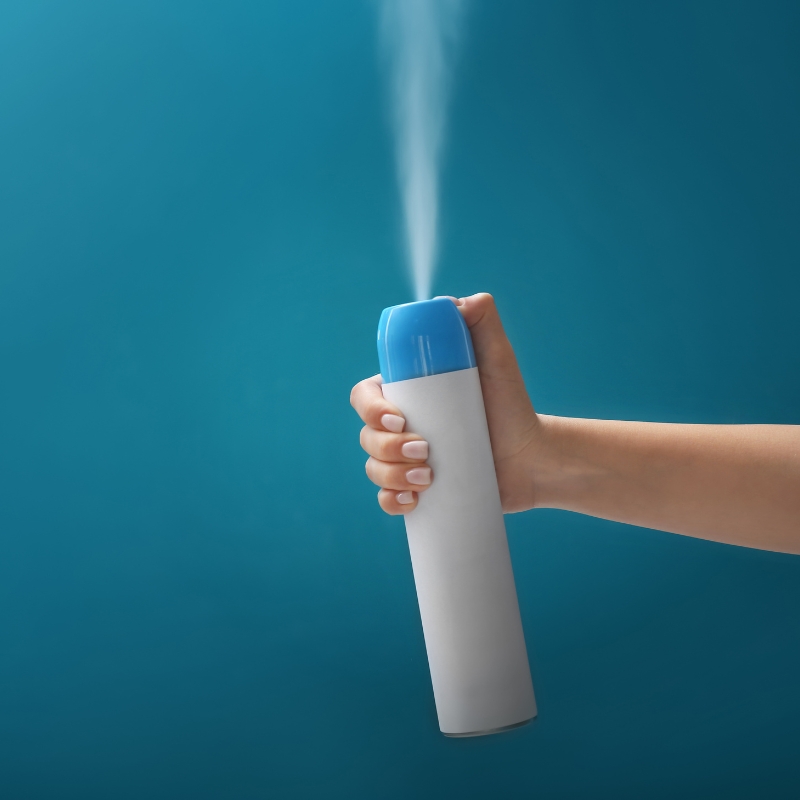
Australia’s weather swings from humid northern summers to crisp southern winters, while our calendar jumps from Spring Racing to end-of-year festivities in what feels like a heartbeat. Rotating scents to suit those shifts keeps indoor spaces feeling fresh rather than stuffy or out of place. Whether you manage a retail chain, an aged-care facility or a CBD office, thoughtful seasonal scent planning turns a simple dispenser refill into a subtle mood-setting tool. If you are still deciding which products will cover your square metreage, explore our air freshener range for dispenser-ready solutions that can be swapped as the weather (and workload) changes.
Why Seasonal Scent Planning Beats “Set and Forget”
Many workplaces load a floral refill in January, then wonder why staff complain about a heavy perfume lingering through July. Australia’s regional climates vary so much that one all-year fragrance rarely works. Seasonal planning delivers three main benefits:
- Climate comfort
Warm, humid days amplify sweet or musky notes, sometimes to headache-inducing levels. Cooler, drier air can dull lighter citrus oils. Rotating strength and style prevent either extreme. - Mood alignment
Crisp eucalyptus in winter feels cosy and clean. Coconut in August feels confusing unless you run a beachwear store. Aligning fragrance themes with outdoor cues prevents sensory clash. - Event synergy
A subtle cinnamon burst in retail aisles before Christmas taps into nostalgia and buying intent. Lavender outside Mother’s Day gift displays nudges shoppers toward self-care purchases.
Seasonal tweaks do not add much cost, but they do show staff and visitors that you think about their comfort.
Understanding Australia’s Regional Weather Patterns
Australia sprawls across seven climate zones. The Top End’s build-up season competes with Tasmania’s frosty mornings, so a “summer scent” in Cairns may still feel like spring for Hobart. Consider these common regional patterns when scheduling refills:
Tropical North (Darwin, Cairns, Broome)
• Long, humid wet season November to April
• High mould risk, heavier air, faster fragrance diffusion
Sub-Tropical East (Brisbane, Gold Coast, Coffs Harbour)
• Hot, stormy summers and mild winters
• Humidity fluctuates quickly after storms
Temperate South-East (Sydney, Melbourne, Adelaide)
• Four distinct seasons
• Indoor heating dries air in winter, reducing scent throw
Arid Interior (Alice Springs, Broken Hill)
• Hot days, cold nights, very low humidity
• Fragrances evaporate slowly without moisture
Matching fragrance weight and note profile to these conditions helps prevent overpowering or underwhelming scent levels.
Fragrance Families and the Seasons They Suit
Below is a quick reference table that pairs popular fragrance families with Australian seasonal conditions and events. Use it as a planning cheat sheet before placing your next refill order.
| Fragrance Family | Best Season | Ideal Australian Conditions | Notable Events It Complements |
| Citrus (lemon, lime, grapefruit) | Summer | Humid, warm; energising burst cuts through heavy air | New Year refresh, back-to-work sales |
| Oceanic / Marine | Late Summer, Early Autumn | Coastal humidity, beach-themed businesses | Australia Day retail, surf carnivals |
| Herbal / Green (eucalyptus, mint, tea tree) | Winter | Dry, heated indoor air; clears stuffiness | EOFY sales, flu-season hygiene drive |
| Spice (cinnamon, clove, nutmeg) | Spring to Pre-Christmas | Moderate temps let warmer notes shine without cloying | Spring Racing carnivals, Christmas promotions |
| Floral (rose, jasmine, frangipani) | Spring | Bloom symbolism aligns with outdoor gardens | Mother’s Day, weddings, graduations |
| Woody / Amber | Autumn | Cooling evenings, cosy atmosphere | AFL/NRL finals, corporate planning retreats |
A table makes side-by-side decisions easier. For example, if you operate nationwide stores, you could deploy citrus in Darwin and marine notes in Sydney during the same month, even though both sites call it “summer”.
Accounting for Event-Driven Fragrance Swaps
Seasonal climate is not the only trigger. Australia’s event calendar offers natural moments to freshen up ambience.
Spring Racing Carnival
Melbourne Cup week attracts interstate guests to Victoria. Floral or grassy green notes nod to racetrack lawns without overwhelming hospitality venues.
End-of-Year Retail Peak
From Black Friday through Christmas Eve, foot traffic skyrockets. Warm spice or pine evokes festive vibes yet can mask shoe-box smells in busy change rooms.
Bushfire Awareness Periods
During heightened smoke alert weeks, avoid smoky or woody scents that may confuse occupants. Citrus and herbal profiles signal cleanliness instead.
School Holidays
Family-heavy visitor profiles mean more sensitivity to strong perfumes. Light fruity or vanilla notes feel kid-friendly while controlling odours in food courts and cinemas.
By mapping refill dates to both weather and events, facility teams can load the right cartridge weeks ahead rather than reacting to complaints later.
Troubleshooting Common Seasonal Scent Mistakes
Even with a plan, two issues crop up regularly.
- Fragrance fatigue
Staff stop noticing a scent after a fortnight, then assume it is empty. Rotate between two complementary notes to keep noses engaged. Our guide to managing fragrance fatigue explains simple rotation ratios. - Over-correction
Switching from heavy musk in July straight to sharp citrus on 1 August can jar occupants. Transition with a neutral cotton or mild vanilla refill for a week in between.
Regular feedback forms or a quick “smell check” during cleaning rounds catch these slips before complaints hit HR.
Health and Sensitivity Considerations
Fragrance sensitivity is rising, especially in open-plan offices where one spray covers dozens of workstations. Keep these guidelines in mind:
• Choose low-allergen or unscented options for medical waiting rooms.
• Offer fragrance-free zones near return-air vents so sensitive staff have refuge.
• Confirm your chosen refills meet VOC limits under National Construction Code Section J, particularly after HVAC upgrades.
• Refer to trusted resources such as Asthma Australia when drafting scent policies or training cleaners.
Quick Seasonal Scent Checklist for Facility Teams
- Mark regional climate change dates and major events in your maintenance calendar.
- Pre-order two fragrance families per season to allow rotation.
- Log dispenser output levels and staff feedback weekly.
- Test new scents in breakout areas for 48 hours before full roll-out.
- Record any sensitivity incidents and adjust intensity or location rather than banning fragrances entirely.
Frequently Asked Questions
1. How often should I change air freshener refills in a typical office?
Most aerosol or micro-mist refills last 30 to 60 days at standard 15-minute intervals, but climate affects dispersion. High traffic and humid summers can shorten life, so check counters or can levels fortnightly and adjust scheduling based on local conditions.
2. Are natural essential-oil fresheners better than synthetic options for Australian workplaces?
Essential oils offer authentic aromas and fewer synthetic chemicals, yet some oxidise quickly in high heat or react with UV light through large windows. Evaluate allergy policies, diffuser compatibility and shelf life before committing to a full switch.
3. Can one fragrance work across all my national sites?
Rarely. A vanilla-coconut note that feels welcoming in Cairns may smell overpowering in Hobart’s low-humidity air. Test regionally, then stagger roll-outs according to local climate data and event schedules.
4. Do scented gels cope better with tropical humidity than aerosols?
Gels evaporate faster when humidity rises, so they may weaken prematurely in Darwin’s wet season. Pressurised micro-mist dispensers maintain a more consistent release even when the air is heavy, making them a safer bet for tropical sites.
5. How do I address staff complaints about “too much perfume” without removing fresheners?
First, measure intensity by counting actuator sprays per hour and checking if vents blow fragrance directly at desks. Reducing intervals, relocating the dispenser higher on a wall or switching to a lighter scent family often resolves issues without eliminating odour control entirely.
Closing Thoughts
Seasonal scent planning is not just a feel-good exercise. It trims refill waste, supports staff wellbeing and complements marketing campaigns with almost invisible effort. By mapping fragrance families to Australia’s shifting climates and event peaks, you turn every dispenser burst into a small but meaningful customer or employee experience upgrade. If you notice persistent odours or uneven fragrance coverage while you rotate scents, it may be worth checking whether the dispenser type or placement matches your floor plan before ordering your next refill.