




















Blog
5 Mistakes Businesses Still Make When Storing Bulk Cleaning Chemicals in 2026

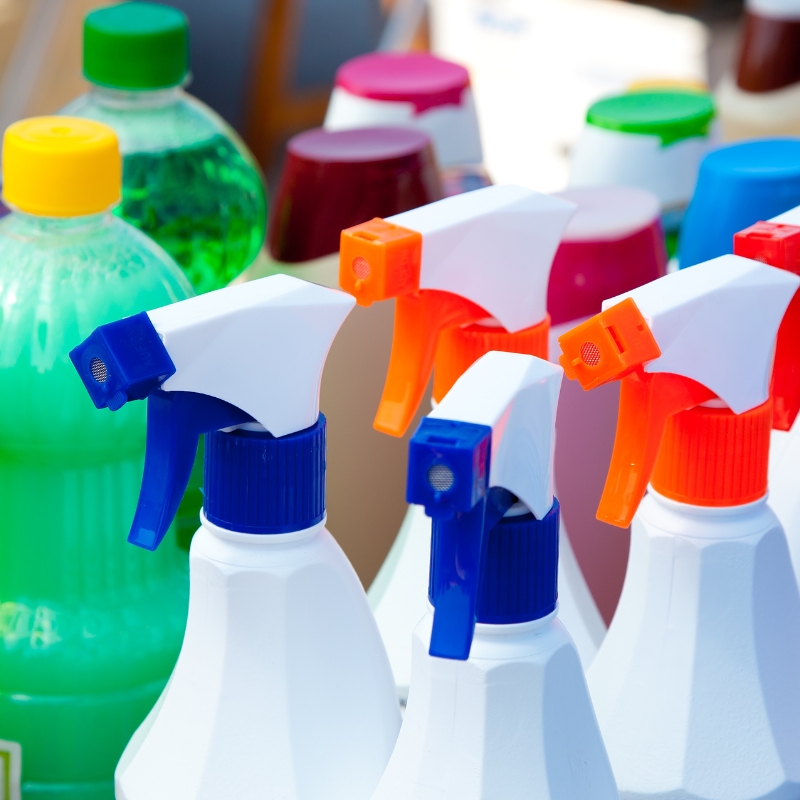
Storing pallets, drums, or IBCs of detergent, degreaser, or sanitiser may look simple at first glance. Yet in 2026, we still see the same errors leading to leak-related clean-ups, compliance notices, and unnecessary write-offs. Whether you manage a regional warehouse or an inner-city facility, overlooking basic storage rules can turn a cost-saving bulk order into a liability fast. Before your next shipment arrives, bookmark these common pitfalls and learn how to avoid them. You will also find a quick comparison table, a safety checklist, and links to further resources. If you need help choosing compliant products, browse our range of commercial cleaning chemicals designed for Australian workplaces.
1. Treating Every Chemical Like a General-Purpose Cleaner
Many warehouses still store different chemicals side by side because they “all clean something”. This can be risky when oxidisers, acids, alkalis, and solvents share the same rack.
- Why it matters: Incompatible mixes can create heat, toxic fumes, or corrosive by-products.
- Common signs: Discoloured drum labels, pitting on shelving, mild chlorine odours even when sealed.
- Local angle: Safe Work Australia’s 2026 update to its “Managing Risks of Hazardous Chemicals” code tightened segregation rules, especially for shared warehouses with multiple tenants.
A Simple Compatibility Check
Below is a quick reference. Always confirm with the manufacturer’s SDS before final storage.
| Situation | Likely Risk if Mixed | Safer Storage Approach |
| Acid cleaner next to chlorine-based bleach | Chlorine gas release | Keep acids 3 m away or on a separate spill-bunded pallet |
| Ammonia-based product near bleach | Toxic chloramine vapours | Separate chemical cages, clearly labelled |
| Solvent degreaser and oxidising powder | Fire or pressure build-up | Flammable cabinet for solvents, cool dry cage for oxidisers |
2. Ignoring Shelf-Life Once the Pallet Is Signed Off
Bulk buying saves freight and unit costs, yet many facilities forget that certain detergents or sanitisers gradually degrade.
- Why it matters: Efficacy loss can leave surfaces visibly “clean” but microbiologically unsafe.
- What to look for: Sediment forming in drums, changes in viscosity, off-odours, or products no longer meeting the manufacturer’s stated kill-time.
- Typical mistake: FIFO (first in, first out) logs not updated after urgent stock shuffling during busy periods.
How to Stay Ahead
- Record “date received” and “best-before” on every label with a permanent marker.
- Schedule quarterly spot tests for high-risk sanitisers.
- Train storepersons to flag drums that look or smell different from the baseline.
3. Using a One-Size-Fits-All Spill Kit
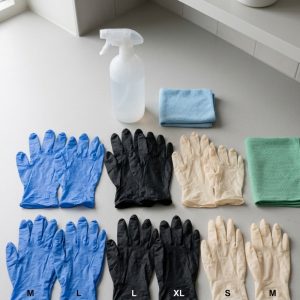
Having a generic spill kit near pallets might seem compliant, but not all absorbents, PPE, or neutralisers work for every chemical class.
- Problem: A soapy mop-up of an alkaline cleaner can spread the hazard further, while acidic spills may eat through common absorbent pads.
- Real-world example: A Newcastle logistics hub used universal floor-dry to soak up a 30 % caustic leak. The compound reacted, reached 60 °C, and produced fumes that triggered an evacuation.
- Consequence: $18,000 in downtime and disposal fees, not counting WorkSafe scrutiny.
Choosing the Right Kit
| Chemical Class | Ideal Absorbent Type | Extra PPE Required | Notes |
| Acids | Acid-neutralising granules | Acid-resistant gloves, face shield | Keep calcium carbonate neutraliser on hand |
| Alkalis | Inert absorbent + mild acidic neutraliser | Nitrile gloves, goggles | Avoid sawdust; it can react if solution is hot |
| Solvents | Static-safe pads | Chemical-resistant gloves, respirator | Store pads in a flame-proof bin post-use |
4. Overlooking Ventilation in Secondary Storage Areas
Many businesses install compliant warehouse racking but forget smaller storage closets closer to production zones.
- Why it matters: Vapour build-up in confined spaces raises fire and respiratory risks.
- Typical sign: Persistent chemical smell even when containers are sealed.
- Australian context: Under AS /NZS 60079.10:2026 zoning, any storage room holding flammable liquids above 25 L may require mechanical ventilation.
Quick Ventilation Checklist
- Is there a dedicated exhaust fan vented outside, not into an adjacent office ceiling cavity?
- Does the fan automatically run when the door is closed?
- Has the airflow rate been tested in the past 12 months?
- Are ducts free from obstructions like cardboard offcuts or pallet wrap?
If you answered “no” to any item, arrange for an airflow assessment before adding more stock.
5. Failing to Update Training After Product Swaps
Budget changes, supplier lead times, or new sustainability goals often force a mid-year chemical substitution. Training rarely keeps pace.
- Why it happens: “It’s just a different label” mindset, especially when the product looks or smells similar.
- Risks: Workers assume the same dilution ratio, reactant compatibility, or required PPE, leading to over-use or exposure.
- Example: Switching from an 8 % quaternary ammonium hospital-grade disinfectant to a 2.4 % hydrogen peroxide blend requires different contact times and gloves.
Build a “Change Notice” Process
- Notify: Email a Safety Data Sheet (SDS) link to all shift supervisors.
- Demonstrate: Run a 10-minute toolbox talk showing correct dilution and application.
- Document: Update wall charts and mobile-access SOPs.
- Reinforce: Conduct a quick quiz the following week to confirm understanding.
Quick Inspection Table: Spotting a Storage Issue at a Glance
| Observation | What It Might Mean | Immediate Action | When to Escalate |
| Drum lids bulging slightly | Internal pressure build-up (heat or chemical reaction) | Isolate on spill pallet, cool area | Call supplier if bulge persists after cooling |
| Minor leaks around bung | Worn gasket or over-tightened lid | Wipe, retighten with torque wrench | Replace gasket if leak recurs |
| Labels fading or peeling | UV exposure or chemical splash | Re-label, move away from sunlight | If unreadable SDS data, quarantine and relabel before use |
| Powder residue on floor | Repeated micro-spills during decanting | Sweep with correct absorbent, review decant method | Investigate if residue returns within 24 h |
Compliance Corner
For a deeper dive into segregation distances, bunding volumes, and training responsibilities, see Safe Work Australia’s guidance.
FAQs
1. Do I need bunding if chemicals are still pallet-wrapped?
Yes. Bunding requirements in Australia focus on potential leak volume, not packaging status. Pallet wrap slows but does not stop liquid escaping.
2. How often should I review my chemical inventory?
Quarterly is considered best practice in 2026. Schedule extra reviews after large one-off purchases or product changes.
3. Are concentrate formats harder to store safely?
Not necessarily. While concentrates can be more corrosive, their smaller volume often means lower total spill risk. Follow the specific SDS for bunding size and PPE.
4. Can I mix outdated product with fresh stock to “use it up”?
Avoid mixing. Degraded chemicals may have altered pH or concentration, leading to inconsistent cleaning or unexpected reactions. Dispose of expired stock according to local regulations.
5. What records must be kept for compliance?
Maintain up-to-date SDS sheets, training logs, inventory sheets with received and expiry dates, and spill response records. Inspectors increasingly ask for digital as well as hard-copy access.
Wrapping Up
The five mistakes above continue to cost Australian businesses downtime, replacement stock, and regulator attention in 2026. Most can be prevented with clear labelling, simple checklists, and timely training. Review your current storage zones this week. Small tweaks—like separating incompatible classes or adding the right spill kit—often deliver outsized safety and cost benefits.