



















Blog
How Long Does an Air Freshener Refill Really Last in Busy Workplaces?

Why “it depends” is a useful starting point
No two sites use scent in exactly the same way. A 24-hour gym in Brisbane, a CBD law office and a regional hospital corridor face different foot-traffic peaks, air-conditioning cycles and cleaning rosters. Those variables make blanket claims such as “one aerosol lasts 30 days” misleading. A better approach is to understand the three big drivers of refill life—dispensing technology, environmental conditions and fragrance choice—and then plan purchasing around realistic demand.
First up, if you need a snapshot of today’s dispenser and refill range, the quickest way is to browse our air freshener collection. You can see run-time estimates from each manufacturer, but read on before locking those numbers into your budget.
What actually empties the can or cartridge?
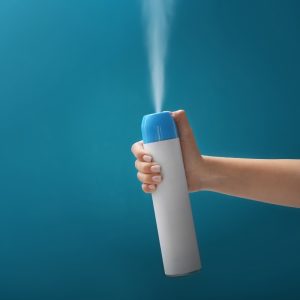
Dispensing technology sets the baseline. Programmable aerosol units work on timed bursts, usually every 7.5, 15 or 30 minutes. Passive, battery-free gel or membrane units release fragrance continuously through natural airflow. HVAC scenting injects micro-doses directly into ductwork. Each system consumes fragrance at a different speed:
| Dispenser Style | Typical Refill Volume | Factory Default | Broad Life Range* |
| Programmable aerosol | 270 mL can | 15-minute bursts | 14–28 days |
| Passive gel or membrane | 50–70 g cartridge | Constant diffusion | 30–60 days |
| Micro-nebulising HVAC pod | 100 mL liquid | Variable output | 45–90 days |
*Figures assume an office environment operating 9 am–5 pm, Monday–Friday.
Environmental factors often cut those headline figures short. High humidity slows evaporation inside aerosols but speeds diffusion in membranes. Air-con cycling overnight can strip scent faster than expected. Doorways that keep opening pull fragrance out of a room, triggering staff to dial up spray frequency.
Fragrance type matters too. Lighter citrus notes dissipate quicker than heavier woody blends. If staff complain a space smells “empty” by late afternoon, they will usually shorten the interval between sprays, eating through a can in two weeks rather than four.
Benchmarks from real Australian sites
AC Cleaning Supplies tracks reorder patterns across hundreds of regular customers. While we never quote client-specific data, aggregate ordering shows clear bands:
• Open-plan office (80 staff, Melbourne): aerosol refills every 22 ± 2 days.
• 24-hour fitness centre (Sydney Inner West): gel cartridges every 34 ± 3 days.
• Aged-care corridor (Perth): HVAC scent pods every 58 ± 5 days, switched off 10 pm–5 am.
These ranges line up with the earlier table and confirm that traffic density and operating hours matter more than floor area alone.
If you already order bulk supplies, our article on cutting waste when buying cleaning chemicals breaks down a similar consumption-tracking method you can adapt for fragrance products.
Stretching every refill a little further
Small changes in setup and maintenance often add a week or more of life without sacrificing freshness.
Keep units above head height
Elevated placement lets fragrance disperse gradually rather than blasting straight into passers-by, which leads to complaints and shorter intervals.
Match the spray interval to opening hours
Most modern dispensers offer weekday/weekend or day/night schedules. Switching a law office to business-hours-only mode typically halves annual can usage.
Clean dust off sensors and vents
A clogged sensor misreads airflow and may trigger extra bursts. Wipe the front grille during the regular wipe-down of light switches and door handles.
Rotate fragrance families
Staff go “nose blind” to a constant scent inside three to four weeks. Rotating between, say, citrus and fresh linen allows you to return to the original fragrance at a lower intensity, keeping usage steady.
Choose low-VOC formulas where possible
Low-volatile-organic-compound refills release scent molecules more slowly, which often translates to longer service life and better compliance with Safe Work Australia aerosol guidelines.
Planning reorder cycles without running dry
Busy facilities managers rarely have time to manually check every unit. Two quick methods keep supplies flowing:
Predictive ordering
Record the install date on a wall label or in a spreadsheet. After three cycles, you will see a reliable average. Add seven days as a buffer, then set a recurring calendar reminder to order.
Stock buffer by dispenser count
Many clients keep one month of refills on hand. An office with ten aerosol dispensers and a 20-day average life will hold 15 cans in reserve. Passive systems may need fewer spares because they run longer.
Remember freight lead times during holiday seasons, especially if you operate in regional areas. Slightly higher stock in late November prevents last-minute express shipping costs.
Frequently asked questions
Do formulas without propellants really last longer?
Passive cartridges avoid propellant loss but rely on ambient airflow. In still areas, they can underperform timed aerosols, so dispenser placement decides the outcome.
Is battery life linked to refill life?
In aerosol units, yes. A fresh alkaline pair usually covers two to three cans. Replacing batteries when you swap cans avoids false “empty” warnings.
Can I mix brands of refills and dispensers?
Physical fit is one issue; valve calibration is another. Mixing can lead to over-spray or leaks. We usually suggest matching brands unless you have tested compatibility.
How do I calculate cost per spray?
Divide can cost by the labelled spray count—normally printed on the carton—then multiply by your programmed bursts per day. It is a quick way to compare refill lines with different volumes.
Do low-VOC refills remove the need for ventilation checks?
No. They reduce airborne chemicals but never replace the requirement to maintain mechanical ventilation in accordance with state WHS codes.
Finding your true refill cycle
A single figure printed on a can rarely matches the reality of a bustling site. Traffic patterns, HVAC schedules and even the weather nudge run-time up or down. After one month of basic tracking you will know your true cycle and can adjust ordering, placement and spray intervals to suit. Once that baseline is set, fragrance becomes a predictable line item rather than an unpredictable emergency purchase.
Need more detail on matching dispenser technology to your building layout? Our team at AC Cleaning Supplies is happy to walk through options and share additional benchmarks from workplaces similar to yours.