




















Blog
Which Commercial Room Air Fresheners Give the Best Value?

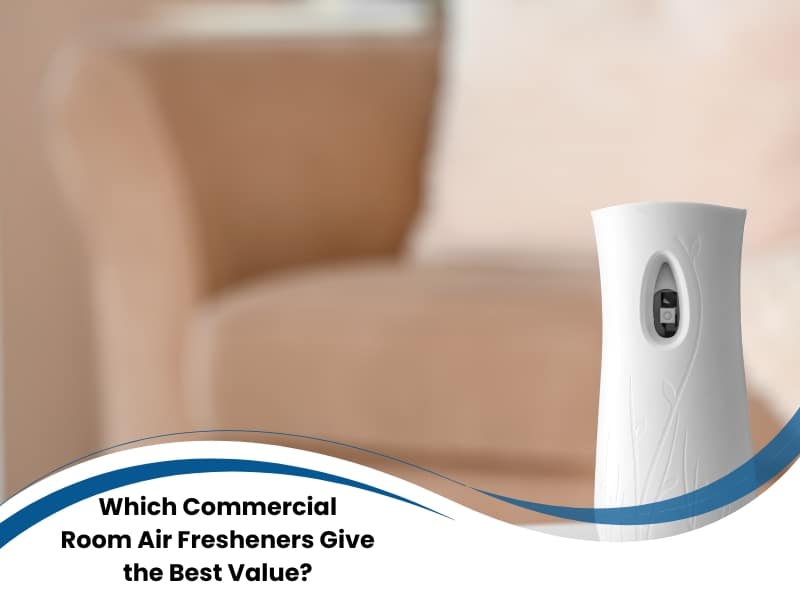
The best value comes from systems that pair durable dispensers with long-lasting refills and controllable delivery across a range of room sizes. That mix keeps the air fresh from first shift to close, avoids waste, and lowers maintenance headaches. Still, not all commercial room air fresheners can hit the sweet spot once foot traffic, ventilation, and cleaning cycles collide. Some over-scent, others fade by midday, and a few chew through refills like nobody’s business. Energy use and battery swaps also creep into budgets when devices aren’t right-sized or scheduled. To make a smart call, compare formats by coverage, refill yield, and labour minutes—not hype—then tune settings to match traffic peaks across weekdays, weekends, and seasons. This article identifies common pitfalls, quantifies long-term costs, and outlines practical ways to lock in consistent, compliant freshness.
Why do businesses struggle to maintain fresh-smelling rooms all day?
Busy sites juggle airflow quirks, peak periods, and mixed odour sources. As a result, even decent devices can underperform if the format or placement isn’t matched to the room’s actual conditions. In short, the challenge is practical, not mysterious. Here are the main reasons:
- Source hotspots: Kitchens, bins, and end-of-trip areas generate persistent smells that beat light fragrance.
- Airflow blind spots: Poor placement creates pockets where scent stalls and odours linger.
- Timing mismatch: Cleaning runs and dispenser cycles miss peak traffic windows.
- Human overrides: Manual sprays cause odour masking without a solution, then taper off unevenly.
- Volume errors: Under-sized cartridges in large rooms burn through product too fast.
- Competing notes: Scent fights with disinfectant or food aromas, dulling both.
During site walks, teams map sources, tweak placement, and review refill cadence, often prioritising improving indoor air quality through effective refills because addressing origins beats chasing symptoms midweek. Close those gaps, and many “stale room” complaints disappear, setting up better placement and format choices where value begins.
What factors make commercial room air fresheners worth the cost for businesses?
Long-term cost balloons when refills are mismatched to room size, schedules are overly aggressive, or devices fail early. Labour minutes for changeovers and battery swaps compound the hit, especially across multi-site portfolios. Here are the cost drivers:
- Over-dosing: Aggressive intervals look strong at open, then waste product by afternoon.
- Refill mismatch: Tiny canisters in large rooms lead to frequent swaps and roof-high spend.
- Device durability: Cheap housings crack, leak, or clog, causing a higher total cost of ownership.
- Hidden labour: Manual spritz routines soak up staff time without predictable results.
- Battery churn: Inefficient units chew through batteries faster than expected.
- Procurement sprawl: Too many SKUs complicate ordering and raise prices.
Anchor your comparison to annualised spend, not shelf price. When benching options, include maintenance hours and failure rates, then add a contingency for seasonal traffic spikes. To keep choices on the money, consider a reliable air freshener option tailored for modern offices and model costs across 12–24 months. Those numbers make approvals easier and cut the argy-bargy later.
How can inconsistent fragrance levels affect workplace impressions?
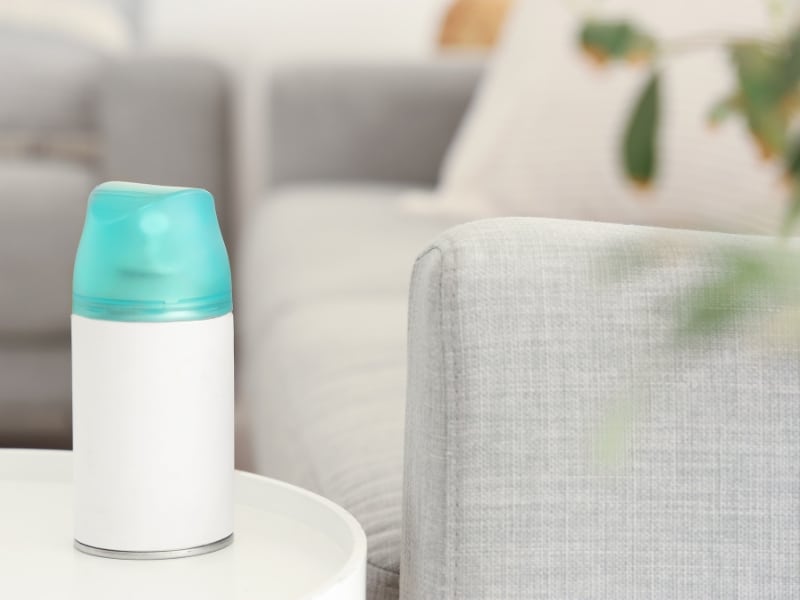
People notice peaks and troughs. Over-scented mornings read “chemical,” while weak afternoons feel neglected, which dents trust in facility standards. Consistent delivery, rather than “set and forget,” shapes positive impressions. Here are the perception pitfalls:
- Comfort backlash: Heavy bursts can trigger fatigue or discomfort; there is a risk of scent fatigue.
- Cleanliness cues: Fluctuating scent undermines perceived cleanliness in bathrooms and foyers.
- Brand feel: Inconsistent aroma contradicts the desired mood of reception and client areas.
- Communication gap: Staff can’t anticipate changes without a scent schedule.
- Allergy concerns: Spiky dosing raises avoidable complaints and incident reports.
Always align choices with compliance and transparency. Staff respond well when safety is clear and scent is predictable. Review the regulatory baseline for safe fragrance ingredients and chemical standards in Australia and share a plain-English summary with teams. With that foundation, program devices conservatively, rotate notes quarterly, and keep feedback channels open—fair go for everyone.
Which commercial room air fresheners are most cost-effective in the long run?
Cost-effective systems balance coverage, cartridge longevity, and controllable output. In practice, metered aerosols suit bathrooms and smaller foyers, passive gels steady small zones, and cold-air nebulisers shine in large open areas. The format must match volume and air changes per hour. Here are the comparison criteria:
| Format | Upfront unit cost | Typical refill cost (per month) | Coverage (m²) | Estimated annual cost (AU$) | Notes |
| Metered aerosol (programmable) | $45–$80 | $7–$15 | 15–30 | $130–$250 | Best for bathrooms/foyers |
| Passive gel/disc | $15–$35 | $4–$10 | 5–15 | $60–$140 | Low maintenance, small spaces |
| Cold-air nebuliser | $180–$450 | $12–$30 | 50–150 | $250–$500 | Strong coverage, fine control |
| Micro-spray compact | $30–$55 | $6–$12 | 10–20 | $110–$210 | Discreet, light/medium areas |
Here are the selection pointers:
- Coverage first: Choose by m² and ventilation, then adjust intervals for predictable fragrance delivery.
- Refill transparency: Prioritise cartridges with precise month-on-month yield data.
- Battery plan: Standardise sizes to simplify stores and swaps.
- SKU discipline: Fewer SKUs means cleaner procurement and faster training.
- Waste guardrails: Opt for housings that accept eco-refills without adapters.
When comparing like-for-like, tilt toward cartridges with stable diffusion curves and good availability. That’s where efficient air freshener refills designed for commercial use help the budget behave across quarters. Calibrate each zone, run a four-week pilot, and lock the spec once the data sings—sweet as.
How do automated refills and smart dispensers reduce waste and expense?
Automation removes guesswork and keeps fragrance steady without heavy dosing. Programmable intervals, dayparting, and occupancy triggers deliver scent only when people are around, which trims waste and keeps comfort high. Here are the automation advantages:
- Interval control: Program light, regular bursts to prevent troughs and spikes.
- Dayparting: Increase output for open hours; throttle back overnight for lower maintenance overheads.
- Sensor assist: Motion or light cues align output with real presence.
- Health checks: Low-refill and battery alerts stop run-dry surprises.
- Data loop: Usage logs inform seasonal tweaks and procurement.
Start conservatively, then nudge settings based on complaints or compliments—both are data. Group devices by zone so refills align with cleaning rounds, reducing unplanned touchpoints. Over a year, predictable cycles lower labour, smooth supply orders, and keep rooms smelling consistently “on the money.”
Why are eco-friendly scent options a better investment for businesses?
Sustainable refills and responsible formulations now compete on performance, not only ethics. Longer-lasting carriers, recyclable packaging, and transparent ingredients make procurement smoother and stakeholder conversations calmer. Here are the sustainability wins:
- Packaging cuts: Recyclable sleeves and bulk packs reduce plastic waste and make disposal easier.
- Low-irritant notes: Hypoallergenic profiles reduce complaints and downtime.
- Verified content: Clear SDS and certifications speed internal approvals.
- Durable housings: Reusable shells extend device life and reduce landfill.
- Measured diffusion: Plant-based carriers often extend workable intervals.
Choose eco lines that publish composition and end-of-life guidance. Standardise on two or three scent families to streamline stock and recycling, and track waste weight alongside refill orders. Those numbers prove that greener often equals leaner—hard work upfront, tidy savings later.
Final thoughts on choosing the right commercial room air fresheners for your space
Value is the sum of consistency, compliance, labour efficiency, and sustainability—not the loudest scent on day one—audit hotspots, match formats to room volume and airflow, then program gentle, regular delivery. Pilot for a month, measure complaints, refill usage, and battery swaps, and adjust seasonally. For practical next steps and specification clarity, discover how AC Cleaning Supplies promotes healthier environments, then document zones, intervals, and responsibilities so the approach sticks building-wide.