















Blog
Why Should Manufacturers Update Their Cleaning Equipment List?

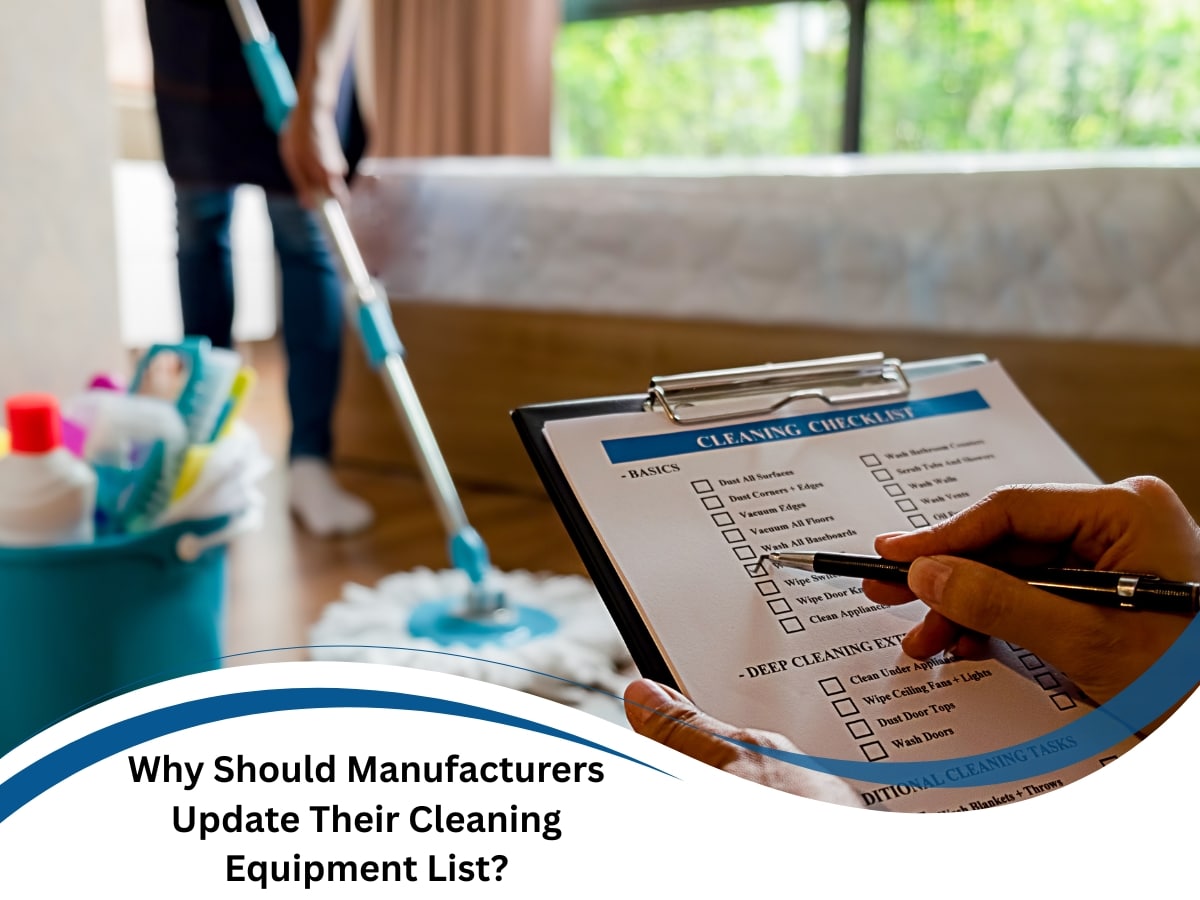
Keeping your cleaning equipment list up to date is vital for safe, compliant, and efficient manufacturing operations. Manufacturers who fail to maintain this list properly often face hidden hygiene risks, operational delays, and increased long-term costs. Regular reviews help avoid these problems while ensuring that your tools meet current industrial standards. This article explores the core reasons why manufacturers should routinely review and upgrade their cleaning equipment list — from avoiding outdated tools to integrating modern disinfectants and janitorial systems.
What risks arise when manufacturers overlook essential cleaning items?
Overlooking essential cleaning items in your facility increases the likelihood of hygiene failures, compliance breaches, and unsafe work environments. Neglecting certain tools can put both workers and production quality at risk. The importance of including the full range of necessary gear — not just surface-level tools — can’t be overstated. Here are the overlooked cleaning items that pose risks:
- Handheld scrubbing brushes with durable bristles often get excluded, yet they’re vital for machinery crevices.
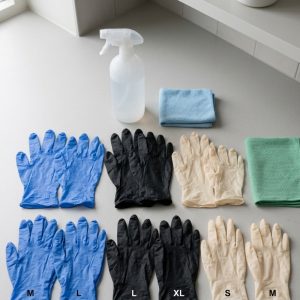
- Protective gear like disposable gloves and goggles is easily forgotten, but prevents skin or eye contact with harsh chemicals.
- Floor squeegees might seem optional, but they help reduce moisture that leads to slips and microbial growth.
- Microfibre cloths are essential for preventing lint and residue, especially in cleanrooms or sensitive areas.
Failing to use the right equipment for cleaning throughout all zones can snowball into product contamination or workplace hazards. Regular equipment audits help uncover these blind spots before they cause disruptions or compliance issues.
Why does outdated household cleaning equipment lead to safety concerns in manufacturing?
Household cleaning equipment lacks the durability, chemical resistance, and scale required in industrial manufacturing environments, often making it a liability rather than a solution. Using everyday tools in an industrial setting is like bringing a butter knife to a tradesman’s job — it’s not built for the task. That gap in capability poses avoidable dangers. Here are the household cleaning equipment risks in manufacturing:

- Basic mops without wringing systems spread bacteria instead of containing it.
- Plastic spray bottles designed for light use often fail under prolonged exposure to industrial chemicals.
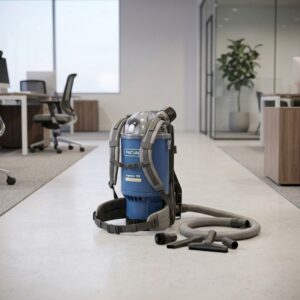
- Domestic vacuum cleaners clog or overheat quickly when used on factory debris.
- Cleaning wipes made for kitchens may break apart when used on rough surfaces, leaving residue.
Moreover, choosing the right supplier impacts what’s stocked. This is where understanding why businesses buy cleaning supplies in bulk can ensure you get fit-for-purpose tools in large enough quantities. By replacing household gear with heavy-duty industrial tools, manufacturers reduce risk and gain better control over cleaning processes.
How can specialised disinfectant products highlight gaps in a manufacturer’s current process?
Specialised disinfectant products often reveal hygiene oversights by demanding exact usage conditions — highlighting where existing practices fall short. These high-grade disinfectants require specific contact times, surfaces, and application methods. When your current cleaning routine can’t support these requirements, it shows the need for an overhaul. Here are the signs that your disinfectant use is exposing cleaning gaps:
- Spray-and-wipe routines that skip dwell time render many disinfectants ineffective.
- Missing dilution stations create inconsistent chemical concentrations, reducing efficacy.
- Incorrect surface compatibility can lead to damage or poor sanitisation.
- Lack of safety signage or protocols signals inadequate staff training or documentation.
Misuse can also breach Australian disinfectant compliance requirements, especially when handling regulated substances in food or pharma-grade manufacturing. Manufacturers that train staff properly and follow product protocols dramatically improve surface hygiene and audit readiness.
How do cleaning compounds support a more efficient equipment maintenance strategy?
Using purpose-made cleaning compounds reduces equipment wear, minimises downtime, and supports long-term operational efficiency. Cleaning compounds don’t just remove grime — they’re tailored to break down specific residues without harming equipment materials. When chosen correctly, they extend the lifespan of both surfaces and machines. Here are the reasons why cleaning compounds are crucial:
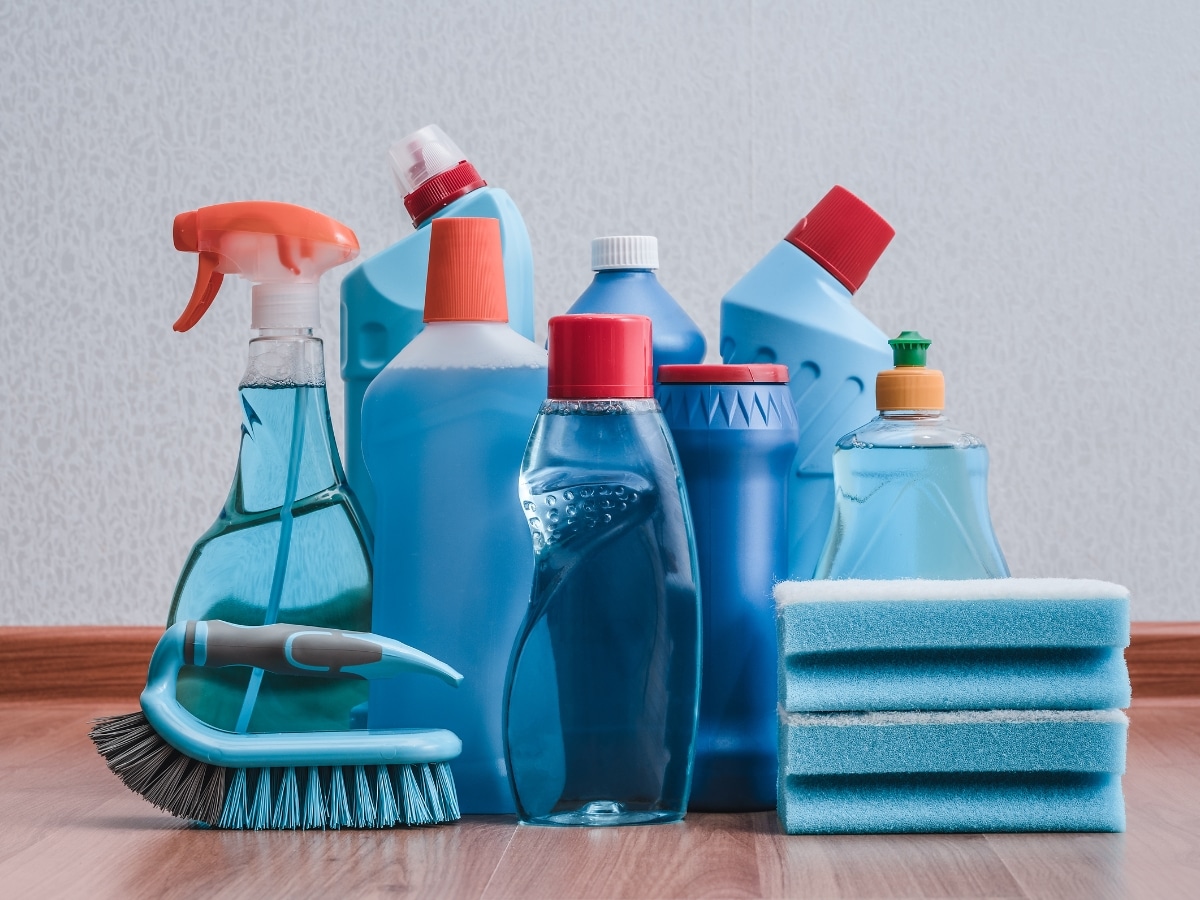
- Degreasers made for stainless steel prevent corrosion while improving hygiene.
- Descaling agents clear mineral build-up in processing lines, improving flow and heat efficiency.
- Enzyme-based cleaners offer powerful sanitation without damaging seals or coatings.
- pH-balanced compounds avoid chemical reactions that degrade surfaces or coatings.
Below is a table showing the ideal type of cleaning compound per equipment type:
| Equipment Type | Recommended Compound | Frequency | Notes |
| Food-grade mixers | Enzyme cleaner | After each use | Avoids biofilm build-up |
| Heat exchangers | Descaler | Monthly | Prevents overheating |
| Conveyor belts | Neutral pH cleaner | Weekly | Maintains belt integrity |
| Stainless tanks | Stainless-safe degreaser | Bi-weekly | Reduces corrosion risk |
Failing to match the compound to the task leads to both hygiene failures and faster wear, while using the right ones delivers the benefits of premium cleaning supplies that improve long-term value.
Which essential janitor tools strengthen a manufacturer’s routine cleaning setup?
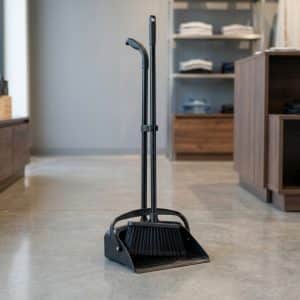
Incorporating industrial-grade janitor tools into your routine setup ensures consistent sanitation, improves productivity, and simplifies staff workflows. Many janitor tools designed for warehouse and production spaces offer ergonomic and time-saving benefits. With the right gear, even deep cleans can be done swiftly and thoroughly. Here are the janitor tools every manufacturer should have:
- Colour-coded mop systems prevent cross-contamination between zones.
- Industrial-grade carts with chemical compartments keep staff organised and reduce trips.
- Extendable dusters reach ceiling beams and vents without ladders.
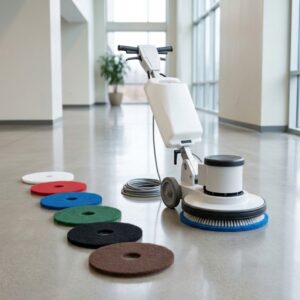
- Floor scrubbers with automatic drying reduce labour hours and slip risks.
Choosing the right janitorial tools means better time management, fewer injuries, and a more professional outcome — all signs of a well-managed factory.
Final thoughts on updating a reliable cleaning equipment list for manufacturing
A detailed, updated cleaning equipment list ensures your facility stays compliant, efficient, and safe — no matter your industry scale. When you periodically assess and revise your list, you avoid using outdated gear or missing essential tools. If you’re unsure where to begin or want advice on what to prioritise, it’s worth seeking guidance from AC Cleaning Supplies to align with best practice and industry standards.