



















Blog

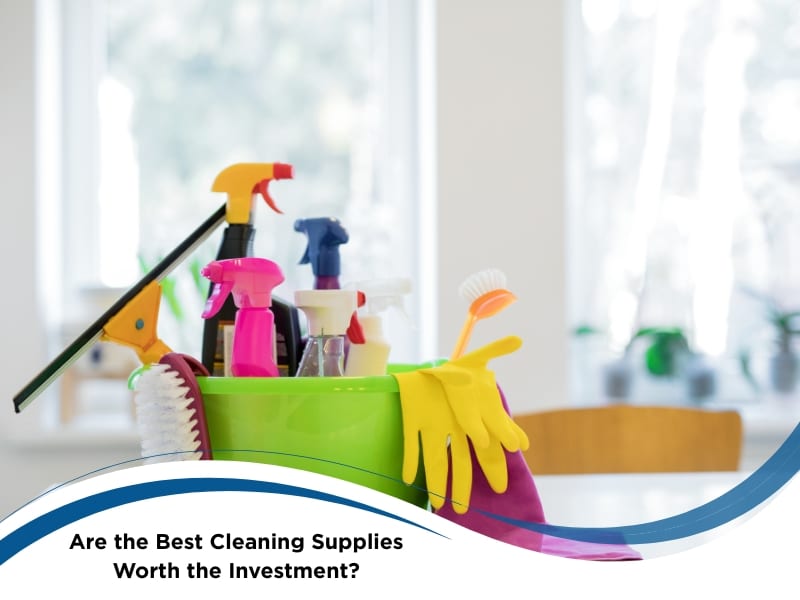
What’s the real price of cutting corners on cleaning supplies? It’s tempting to save a few bucks upfront—but what happens when hygiene fails, tasks take longer, or products simply don’t do the job? You’re not alone in wondering if the best cleaning supplies are worth the investment. In this blog, you’ll get answers that go beyond surface shine—examining performance, safety, compliance, and operational efficiency. This article explores what sets high-quality cleaning products apart and why they can become an asset, not just an expense.
Why do some cleaning supplies underdeliver in performance?
Not all cleaning products are created equal. Many underperform due to weak formulations or poor material compatibility.
- The active ingredient percentage: Low-grade products often dilute core ingredients, making them less effective at killing germs or lifting dirt, especially in high-traffic environments.
- Surface compatibility issues: Some cleaners are too harsh or too mild, damaging finishes or requiring extra effort, leading to repeat labour.
- Short product lifespan: Cheap supplies degrade faster—both in shelf life and effectiveness once opened, causing more waste and inconsistent results.
- Inconsistent batch quality: Variability across batches leads to unpredictable cleaning outcomes, making stock planning and consistency a nightmare.
- Unpleasant or lingering odours: Strong chemical smells can make spaces uncomfortable and require extra ventilation efforts.
When performance slips, your team ends up redoing work, costing both time and trust.
What risks come with choosing cheap alternatives to the best cleaning supplies?
It’s easy to think you’re saving by buying cheaper cleaners, but the risks can sneak up on you quickly.
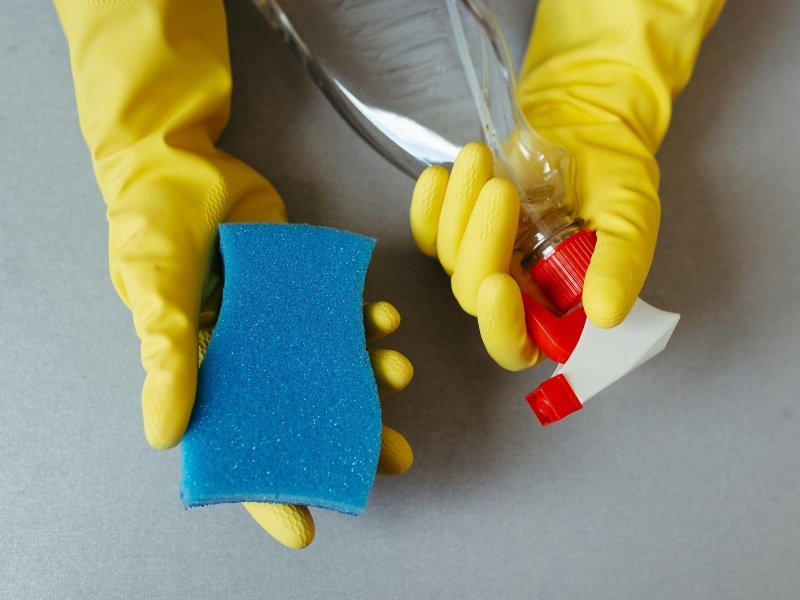
- Exposure to irritants: Budget products may contain volatile organic compounds (VOCs) or skin irritants that compromise air quality and worker safety, especially in closed environments.
- Product misuse due to poor labelling: Vague or confusing instructions increase the risk of improper use, spills, or chemical reactions that create further hazards.
- Residue buildup on surfaces: Inferior chemicals can leave stubborn films that attract more dirt or damage the material underneath, requiring additional cleaning or replacements.
- Regulatory non-compliance: Non-compliant formulations may fall short of hygiene standards required in commercial or industrial spaces, leading to audits or penalties.
- Cross-surface damage: Using a single cheap product across different materials often leads to unexpected degradation or staining.
These risks add complexity to your daily workflow. It’s smarter to understand how bulk cleaning chemicals can reduce operational costs through longer-lasting, compliant formulations.
How can using subpar cleaning products affect workplace hygiene?
When cleaning quality drops, hygiene suffers—and the fallout isn’t always visible straight away.
- Failure to meet disinfection thresholds: Many low-cost cleaners can’t meet industry standards for eliminating bacteria or viruses, putting compliance at risk.
- Cross-contamination risks: Poor performance increases the spread of germs between surfaces, especially in kitchens, break rooms, and washrooms.
- Reduced morale: A visibly dirty or foul-smelling space lowers staff confidence and productivity, making team members less engaged.
- Greater absenteeism: Poor hygiene can lead to more sick days and lower team resilience, reducing continuity of work.
- Negative public perception: For customer-facing environments, cleanliness issues may affect brand reputation or cause complaints.
Over time, low-quality products increase workloads and expose teams to unnecessary health risks. For consistent results, it’s smarter to order wholesale cleaning supplies that meet established hygiene standards.
What defines the best cleaning supplies for business environments?
High-performing cleaning products are defined by both what’s inside the bottle and how well it supports day-to-day operations.
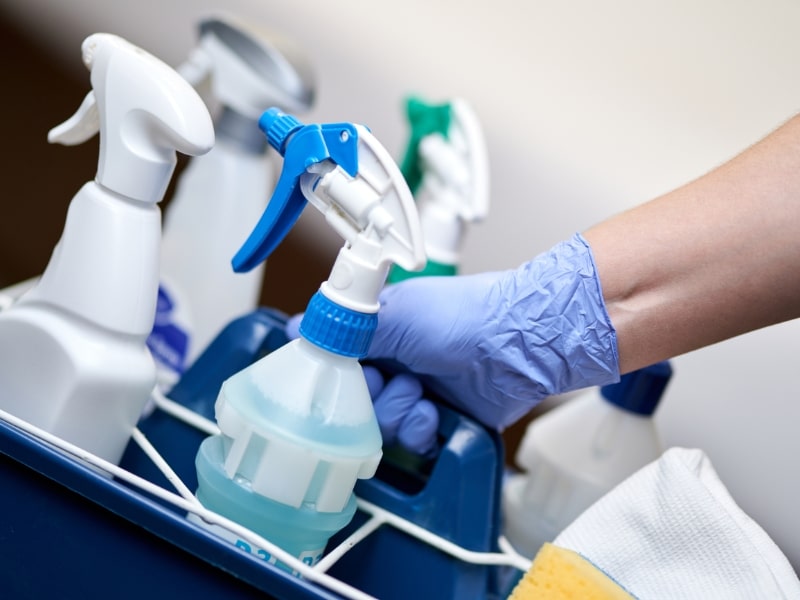
- Product concentration: Concentrates that mix with water can clean more space at lower cost, reducing need for frequent top-ups.
- Material compatibility: Good cleaners protect surfaces, avoiding long-term wear or corrosion across floor types, fabrics, or plastics.
- Safe handling and labelling: Clear instructions and safety data sheets help staff avoid misuse or chemical conflicts with other products.
- Shelf stability and packaging: Quality supplies last longer and store better, reducing waste, spills, and stockroom hazards.
- Low environmental impact: Recyclable packaging and biodegradable formulas support environmental policies without compromising effectiveness.
It is essential to choose a reliable suppliers that provide quality cleaning products, balancing safety, performance, and cost-effectiveness equally.
Can investing in the best cleaning supplies reduce time and operational costs?
Yes—and the savings stack up more than you’d expect.
- Fewer repeat cleans: Quality cleaners get the job done right the first time, saving labour and reducing staff fatigue.
- Reduced product volume: Stronger concentrations mean fewer restocks and less storage space required on-site.
- Less training time: Clear instructions minimise onboarding time for new staff or contractors, improving safety and speed.
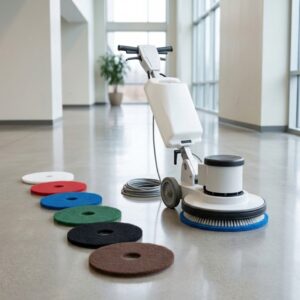
- Equipment longevity: Proper cleaners help machines like floor scrubbers last longer, decreasing maintenance costs.
- Streamlined inventory: Multi-use products simplify procurement and reduce the risk of overstocking niche items.
Cost-saving benefits of investing in high-quality cleaning supplies
| Key Advantage | Description |
| Reduced labour time | Efficient formulas require fewer passes, saving staff hours |
| Lower chemical usage | Concentrated solutions go further, cutting monthly supply costs |
| Fewer equipment issues | Compatible products preserve machinery, reducing repairs and downtime |
| Improved compliance | Certified products prevent regulatory breaches or fines |
| Better space management | Fewer items needed for multi-surface cleaning lowers storage requirements |
Savvy buyers recognise that upfront costs can lead to long-term gains, particularly when informed by guidelines for sourcing janitorial products under NSW contracts.
Which product features matter most when choosing professional cleaning supplies?
Not every cleaning product fits every environment. Choose features that align with your industry and workload.
- Neutral pH balance: Minimises wear on surfaces and suits a wide range of materials, from tiles to stainless steel.
- Multi-surface application: Cuts the need for multiple products, saving space, reducing confusion, and boosting versatility across teams.
- Pleasant, low-residue scent: Keeps spaces fresh without overwhelming occupants or triggering sensitivities.
- Fast-action formula: Breaks down dirt quickly to speed up turnaround time, especially useful during shift changes.
- Clear safety credentials: Labelling that includes Australian compliance and first-aid protocols ensures your team always knows what’s in use.
Products with these traits reduce risk and deliver results.
Final thoughts
Time saved, standards upheld, and smoother daily routines—these are the returns that often come with choosing the best cleaning supplies. For many businesses, cleaner environments mean fewer headaches and better staff satisfaction. Ready to level up your workspace hygiene? Ask AC Cleaning Supplies about tailored cleaning solutions based on your specific needs and site layout.