



















Blog


A freshly cleaned carpet feels great until it stays damp for hours. What often gets brushed off in carpet care is drying time, and ignoring it can let mould, odours, and hidden deterioration sneak in. Whether you’re dealing with a spill emergency, a deeper clean or even flooding, a carpet dryer isn’t just handy; it makes a real difference. Skip it, and moisture lingers longer than it should. That invites smells, mould breakdown, and extended inconvenience. This article looks at how carpet dryers do their job, what makes them worth using, and when they’re your best mate for drying.
Why does a carpet dryer matter for drying speed?
Even on a warm day, carpet fibres can trap moisture. Air drying might stretch out for hours, sometimes days. Meanwhile, the pad and flooring underneath stay damp, giving bacteria and mould a head-start.
- Lingering dampness invites mould, especially in places with high humidity or poor ventilation.
- Drying speed often falls from 24+ hours to under 4 with a good dryer at work.
- Faster drying lets you get back into your space, whether at home or work, without waiting around.
- Prompt moisture removal protects adhesive and backing from breaking down too soon—saving your carpet’s life.
Time matters: water damage doesn’t hang around politely. Dry things fast, and you save fabric, structure, and sanity.
What problems arise when carpets stay wet too long?
When dampness sticks around, harm often follows—though it might start out as smell, sagging or stiffness rather than obvious rot.
- Musty odours persist long after cleaning if airflow’s weak and drying’s sluggish.
- Warped underfloor or cracked tiles might surface days later, especially with trapped moisture.
- Damp underlays attract mites and bacteria into a moist ecosystem—unhealthy and unseen.
- Your carpet may start to fall apart early, needing replacement way ahead of schedule.
Mould won’t care how clean your place looks—once moisture lingers, spores move quickly. If drying’s slow after washes or incidents, it’s time to find high-quality carpet dryer machines built for speed and reliability that suit the job and the space.
Could trapped moisture be harming your indoor environment?
You can’t always see the damage — but you can breathe it. Trapped moisture degrades indoor air quality, even if everything looks dry. Keep in mind:
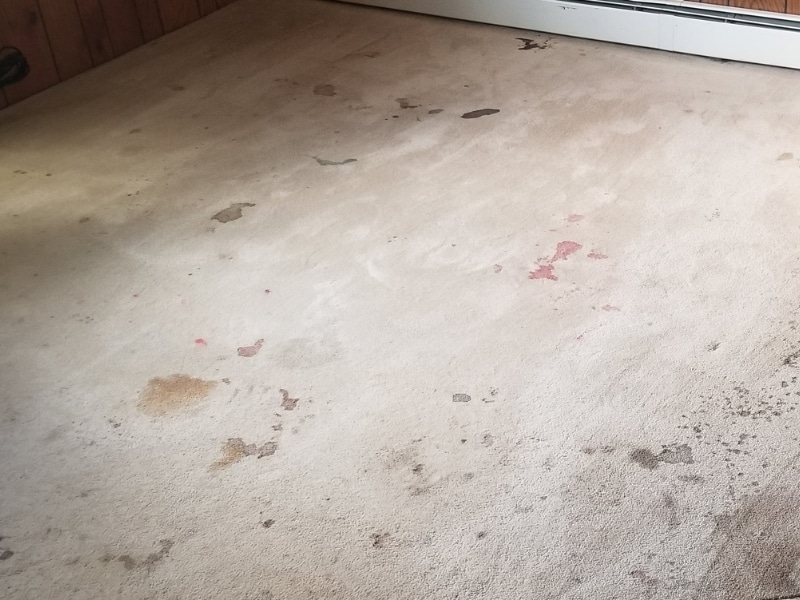
- Hidden mould spores release allergens and odours that circulate through your home or workplace air.
- Dust mites thrive in damp, humid conditions and can aggravate allergy symptoms for sensitive people.
- Aircon systems recirculate air — and any airborne bacteria with it — throughout enclosed rooms.
- Respiratory irritation or asthma can be triggered by poor air quality linked to excess indoor moisture.
These risks often go unnoticed until someone feels crook. Knowing this, it’s worth understanding how moisture impacts air freshness indoors — especially in shared or high-traffic spaces.
Why is using a carpet dryer better than air drying?
Air drying relies on ambient conditions. It’s inconsistent and slow — and sometimes not enough. Let’s compare:
| Drying Method | Time to Dry | Risk of Mould | Energy Use | Effectiveness |
| Air drying | 12–48 hrs | High | Low | Inconsistent |
| Carpet dryer | 2–6 hrs | Low | Moderate | Reliable |
Here’s why dryers are more effective:
- They pump high‑velocity air deep into fibres and backing layers where stillness stops air drying.
- Variable speed settings adapt to small rooms or grand spaces, depending on needs.
- You can angle them under furniture, skirting or tiles to tackle hidden wet spots.
- Less drying time equals minimal smell risk and less disruption in both homes and businesses.
Air drying may appear easy—and sometimes cheap—but it’s often the least effective choice after cleaning or water events.
What features should you look for in a carpet dryer?
Not all dryers are created equal. Choosing the right one depends on the job, but some features matter across the board. When picking a dryer:
- Adjustable fan speeds give control over whether tackling thin carpet or thick pile.
- Stackable, compact units are great if you’re storing, transporting or hopping between jobs.
- A solid base and ergonomic handle cut down tipping during use, handy when you’re carrying gear.
- Thermal overload protection is critical during long sessions, preventing melted motors or shutdowns.
Skipping these features might cost you patience, time, or even the machine. For serious use, build quality matters more than saving a few dollars.
Are carpet dryers suitable for different floor types?
Absolutely. Carpet isn’t the only surface with drying struggles. Tiles, vinyl, and laminate floors also trap moisture.
- Perfect for drying grouted tile or bathroom floors where humidity lingers post-clean.
- Speeds up tile adhesive setting so installations stay smooth, dry and firmly bonded.
- Clears mopping or spills water fast, cutting slip risk and mould formation.
- Works well to ventilate under raised floors or tight crawlspaces where air barely moves.
Still, not every model suits every job. Dual-angle units or those with multiple outlet heights work better for mixed surfaces. Using the wrong gear may leave patches untreated, wasting time and effort.
How can a carpet dryer enhance your cleaning routine’s efficiency?
Using a dryer isn’t just about drying; it’s about doing the job right the first time. Cleaners know that fast drying means fewer call-backs and better client feedback. Routine benefits:
- Jobs finish faster, so you can schedule more in a day without rushing or compromising quality.
- Less moisture means fewer post-cleaning complaints about odours, dampness, or unsatisfactory drying results.
- Dryers reduce the chance of odour or residue returning, especially after steam or chemical treatments.
- They show professionalism, turning up with proper tools speaks volumes about the care you take.
Even at home, having a dependable dryer changes how you manage deep cleans or sudden spills. It’s the quiet ally that helps keep your household running smoothly and supports a cleaner, more comfortable living environment. For additional tips on maintaining a hygienic and welcoming home, explore the importance of carpet cleaning for NDIS homes.
Final thoughts
Moisture never waits around—it seeps, lingers and causes problems fast. Whether you’re caring for carpets yourself or running cleaning services, knowing how to dry thoroughly is key. A good carpet dryer protects your space, speeds up clean‑up, and keeps your surroundings fresh.
If you’re ready to move to faster, more reliable drying, explore how AC Cleaning Supplies supports efficient cleaning solutions through tools made for the mess and pace of real‑world use.