




















Blog
How to Keep Workplace Restrooms Smelling Fresh Without Overpowering Scents

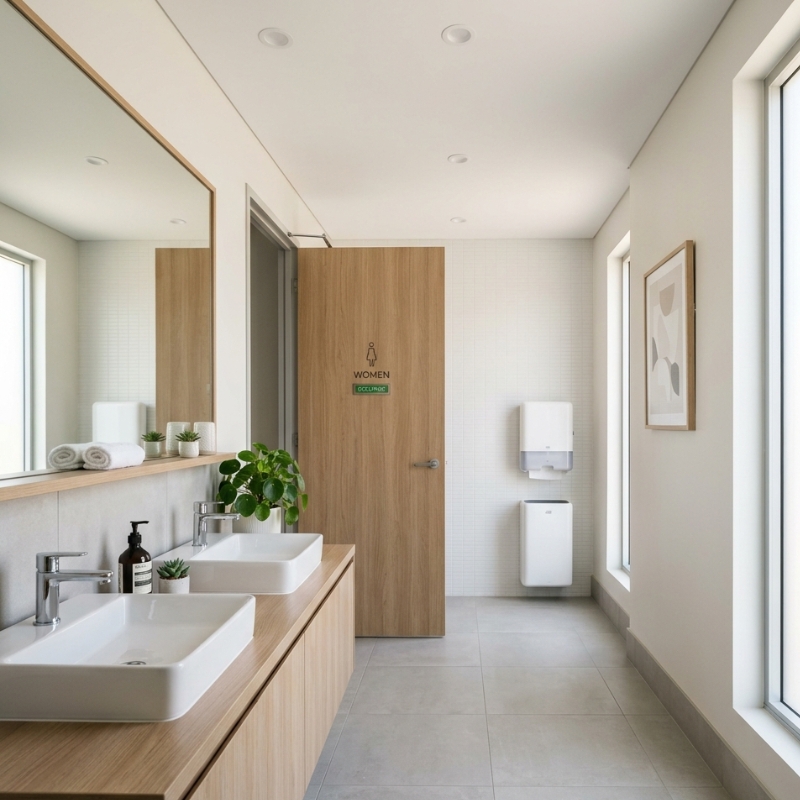
If you’ve ever walked into an office bathroom that smells “clean” in the worst possible way (think: strong perfume fighting something unpleasant), you already know the problem: overpowering scent doesn’t equal freshness. In fact, heavy fragrance and air fresheners used to cover odours often mask the real issue, irritate staff, and still fail the moment foot traffic spikes.
A restroom that consistently smells fresh is usually the result of three things working together:
• Odours are removed at the source (not covered up)
• Airflow is doing its job (ventilation that actually extracts)
• Any fragrance used is controlled, subtle, and appropriate for shared spaces
This guide is written for Australian workplaces of all types: offices, warehouses, clinics, retail, and multi-tenant buildings. It’s practical, low-drama, and designed to help you prevent odours before they become complaints.
What “fresh” actually means in a workplace restroom
In a shared workplace, “fresh” usually means:
• No lingering urine/ammonia smell near bowls, urinals, or partitions
• No musty/damp smell (often a ventilation or moisture issue)
• No sewer-gas smell (often a drain-trap or plumbing issue)
• No overwhelming perfume cloud that makes people cough, sneeze, or avoid the area
A good benchmark is this: someone should be able to walk in and simply think “normal” rather than notice any scent at all.
Quick answer
To keep workplace restrooms smelling fresh without overpowering scents:
• Remove odours at the source (target splashback areas, grout lines, and bins)
• Keep floor wastes and traps primed so sewer gases can’t escape
• Improve extraction (check fan performance and door undercuts)
• Use controlled, low-scent fragrance only as a finishing layer, not the main solution
• Match cleaning frequency to traffic peaks (start-of-day, lunchtime, end-of-day)
Why do workplace restrooms smell even after cleaning
If the bathroom smells again within hours, it’s usually because one (or more) of these is happening.
1) Splashback residue is being missed
Even with regular cleaning, tiny droplets and residue can build up on:
• The floor around the toilet base and behind the bowls
• The wall behind toilets or urinals
• Partitions, hinges, and the bottom edges of doors
• Grout lines and textured tiles that trap residue
These areas can hold odour-causing material even when the obvious surfaces look clean.
2) Floor wastes and traps are dry (hello sewer smell)
That sharp “sewer” or “drain” smell is often a trap that’s dried out, especially in:
• Secondary or low-use bathrooms
• Bathrooms in buildings with strong extraction or low humidity
• Tenancies closed over weekends or holiday periods
A dry trap allows sewer gases to come straight into the room.
3) Humidity and poor airflow keep odours hanging around
Bathrooms can be small, enclosed, and humid. If the exhaust fan is underpowered, blocked, or simply running for too short a time, smells linger and cling to surfaces.
4) Bins are the hidden culprit
Sanitary disposal units, nappy bins, and general waste bins can create persistent odours when:
• Liners aren’t changed frequently enough
• The bin lid seals poorly
• The inside of the bin isn’t disinfected regularly
• Odours are absorbed into the surrounding area (especially in warm months)
5) “Over-fragrancing” creates a new problem
When fragrance is used as the main strategy, people often respond by adding more. The result is a strong scent layered on top of the odour, which can trigger headaches or asthma for some staff.
Start with source control: the foundation of “no-stink” bathrooms
If you only do one thing, do this: treat “smell” as a cleaning and building systems issue first, and a fragrance issue second.
Focus on the “odour map” areas
When restrooms get complaints, these are the most common hotspots to target:
• Toilet base and floor perimeter
• Behind toilets and around exposed pipe penetrations
• Urinal splash zones, including the floor directly underneath
• Bottom edges of partitions, doors, and kick plates
• Grout lines near traffic lanes and bowls
• Bins and bin surrounds (including walls)
• Floor wastes, especially near showers (end-of-trip facilities)
Q&A: What’s the biggest mistake people make?
The biggest mistake is cleaning what looks dirty and skipping what collects residue. Bathrooms can look presentable and still smell if the base edges, grout, and splash zones aren’t being treated properly.
Use the right chemistry and dwell time
Regardless of the product used, two concepts matter:
• Use a cleaner suited to the soil (urine scale and organic residue behave differently)
• Allow enough dwell time before wiping/rinsing, so the product can work
If your team is “spray and wipe in 10 seconds,” the bathroom might look fine, but odours will keep returning.
Fix airflow: fresh bathrooms need extraction, not perfume
Ventilation is often the difference between “fine after cleaning” and “fresh all day.”
Signs your ventilation isn’t doing enough
• Mirror stays fogged long after use
• Damp smell that comes and goes
• Odours linger even when surfaces are clean
• Paper towels feel slightly humid or soft
• Complaints spike in winter when windows are shut
Practical airflow checks you can do quickly
• Confirm the exhaust fan is actually running and extracting (not just making noise)
• Check vents for dust build-up (blocked vents reduce airflow)
• Ensure doors aren’t sealed too tightly at the bottom (air needs a path in so it can be extracted out)
• Consider run-time: fans that stop too soon let humidity and odours settle back in
If odours persist despite good cleaning, it may be time to involve building management or a qualified HVAC technician to assess extraction performance.
Q&A: Can we just add a stronger scent instead of fixing airflow?
You can, but it usually backfires. Strong fragrance can make a restroom feel worse, not better, because the underlying odour is still present and the air isn’t being exchanged.
Drain and plumbing odours: what to check before calling a plumber
Not all bad smells are a cleaning problem.
Common causes of drain-related smells
• Dry floor waste traps (common after weekends)
• Partial blockages causing slow drainage
• Biofilm build-up inside pipes (odour that returns quickly)
• Faulty seals around pipe penetrations or fixtures
• Venting issues (odours noticeable at certain times)
Simple, low-risk steps facilities can take
• For low-use bathrooms, ensure traps are regularly primed (a scheduled routine helps)
• Keep floor wastes clean around the rim and grate (grime here can smell even if the trap is fine)
• Monitor for slow-draining sinks or gurgling sounds
If you suspect sewer gases, recurring blockages, or persistent drain odours, escalate to a licensed plumber. In Australia, plumbing work needs to be done by appropriately licensed trades.
The low-scent approach: freshness without overpowering fragrance
If staff are sensitive to fragrance, or you’ve received complaints about “too strong,” you’re not alone. Many workplaces aim for neutral air comfort.
What “low-scent” means in practice
• Use fragrance as a light finishing layer, not the main solution
• Choose subtle options and controlled delivery
• Avoid stacking multiple fragranced products (cleaners + sprays + dispensers)
• Reduce fragrance during low-traffic times or in smaller restrooms
• Place scent delivery where it supports airflow (so it disperses gently rather than hitting people in the face)
Where a strong scent causes the most issues
• Small, enclosed bathrooms with no natural airflow
• Bathrooms near kitchens or break areas (scents mix and become unpleasant)
• End-of-trip facilities where humidity amplifies fragrance
• Workplaces with staff who have asthma, migraines, or sensitivities
Q&A: Are fragrance complaints a “policy” issue or a facilities issue?
Usually both. Facilities can reduce triggers by using a low-scent strategy, and management can set a respectful shared-space expectation. The goal isn’t “ban everything,” it’s “keep the space comfortable for most people.”
Choosing controlled freshness support (without turning it into a scent bomb)
Once your cleaning, drains, and airflow are dialled in, controlled freshness support can help keep the restroom feeling consistently pleasant across the day.
If you’re reviewing options for shared workplace bathrooms, start by looking for solutions that let you control intensity and timing, and avoid a constant heavy fragrance.
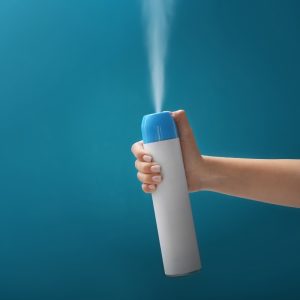
If you want a place to explore suitable options, you can start here: quality air fresheners for office bathrooms.
Placement and timing tips that reduce “overpowering”
• Avoid placing fragrance delivery directly at nose height beside the door
• In small toilets, less is more—use lower intensity and longer intervals
• Align stronger delivery with peak times (for example, mid-morning and lunch), then dial back
• Keep fragrance away from handwashing zones where people are close to the dispenser
A practical cleaning rhythm for Australian workplaces
A “set and forget” bathroom plan rarely works because traffic changes day to day. Instead, use a baseline schedule and add small top-ups around peak use.
Daily (baseline)
• Clean and disinfect touchpoints (locks, taps, flush buttons, handles)
• Clean bowls/urinals with attention to splash zones and bases
• Wipe partition edges and door bottoms where splash can settle
• Empty and reline bins; wipe bin lids and surrounding walls if needed
• Spot-mop around toilets and urinals (not just the middle of the floor)
• Check floor wastes for visible build-up
Peak-time top-ups (2–5 minutes each)
Ideal timing in many offices:
• Start-of-day reset
• Lunchtime peak
• Late afternoon / end-of-day
Top-up actions:
• Quick wipe of splash zones
• Bin check and odour check
• Floor spot-mop around fixtures
• Confirm soap and paper supplies (because poor hygiene can increase odour problems)
Weekly
• Detail clean grout lines around bowls and urinals
• Clean behind fixtures where accessible
• Disinfect inside bins and sanitary disposal surrounds
• Clean exhaust vent cover (or schedule it with building services)
Monthly (or as needed)
• Review ventilation performance and run-time
• Check for slow drains, gurgling, leaks, or recurring odours
• Refresh signage and reporting process for issues
Q&A: How often should high-traffic workplace toilets be cleaned?
It depends on usage, but high-traffic amenities typically need at least one mid-day refresh, not just a once-a-day clean. If complaints spike around lunch, that’s your clue that the schedule needs a peak-time top-up.
If your facility has heavy use and you’re planning a routine that matches traffic patterns, this is a helpful reference point: odour control for high-traffic toilets.
Handling scent sensitivity in a fair, practical way
Workplaces are shared environments. The aim is to keep the restroom pleasant without making it a problem for people who are sensitive to fragrance.
Simple steps that reduce complaints quickly
• Use one fragrance approach only (don’t layer cleaners, sprays, and dispensers)
• Reduce intensity first before changing scents
• Keep fragrance away from staff who must enter often (cleaners, facilities, reception)
• Focus on ventilation and source removal so fragrance is optional, not essential
• Choose neutral messaging: “help us keep the space comfortable for everyone”
What to do if someone reports headaches or breathing irritation
• Treat it seriously and reduce intensity immediately
• Review what has been added recently (new spray, new cleaner, new dispenser setting)
• Check ventilation run-time
• Consider a low-scent zone approach (especially in smaller restrooms)
For broader workplace guidance on maintaining facilities, SafeWork NSW provides practical advice in its materials on managing the work environment and facilities. You can read it here: SafeWork NSW guidance on workplace facilities.
When it’s time to escalate: cleaning vs building issue
Some smells are telling you there’s a mechanical or plumbing problem.
Escalate to building management or a licensed pro if you notice:
• Persistent sewer-gas smell that returns quickly after trap priming
• Repeated drain blockages or slow draining
• Leaks, damp patches, or mould signs
• Exhaust fan not extracting properly, or airflow clearly inadequate
• Odour that is strongest at certain times (could indicate venting issues)
A simple “freshness checklist” you can give your team
Use this as a quick weekly reset tool:
• Are splash zones being cleaned (not just visible surfaces)?
• Are bins being emptied and disinfected inside, not just relined?
• Are floor wastes being checked and kept primed, especially in low-use bathrooms?
• Is ventilation extracting effectively, with adequate run-time?
• Are fragrance settings low and controlled, rather than constant and heavy?
• Are complaints tracked with time/location notes (so patterns are visible)?
If you want to review controlled options as a “finishing layer” (not the whole plan), you can learn more about air fresheners in a way that supports a low-scent approach.
FAQ
How do I stop a bathroom from smelling like urine even after cleaning?
Target the splashback hotspots: toilet bases, the floor perimeter, grout lines, and partitions. Urine residue can cling to textured surfaces and edges that don’t look dirty. Detail those areas on a weekly cadence and add short peak-time refreshes.
Why does the restroom smell worse on Monday mornings?
Often, it’s dry traps or low air movement over the weekend, especially in secondary bathrooms. A simple routine to prime floor wastes in low-use areas can prevent sewer-gas smells from building up.
What’s the best way to keep a restroom fresh without a strong fragrance?
Treat fragrance as optional. Focus on source removal, bins, and ventilation first. If you use fragrance, keep it subtle and controlled with sensible placement and timing.
Are strong air fresheners bad for workplaces?
They can cause discomfort for people with asthma, migraines, or scent sensitivity, and they often create the impression you’re “covering something up.” Low-scent strategies and good airflow usually reduce the need for strong fragrance.
How can we reduce complaints in a shared office building?
Standardise the approach: one controlled fragrance strategy (or none), better ventilation run-time, and a cleaning rhythm that matches peak usage. Keep a simple log of complaint times and locations to identify patterns.