




















Blog
Cleaning Chemicals Selection Guide: Choosing the Right Product for Every Surface and Space


Choosing a cleaning chemical shouldn’t feel like guesswork. The “right” product depends on three things most people skip:
• The surface (porous vs sealed, coated vs uncoated, glossy vs matte)
• The soil (grease, mineral scale, soap scum, organic grime, mould, tannins, rust stains)
• The outcome you need (cleaning vs sanitising vs disinfecting)
Get those three aligned and you’ll clean faster, use less product, and avoid the two big disasters: damaging a finish or creating unsafe fumes.
This guide walks you through a practical way to match common chemical types to common Australian surfaces and areas—kitchen, bathroom, floors, glass, stainless steel, painted walls and more—so you can make smarter decisions whether you’re managing a small kit or ordering bulk chemical cleaning supplies, without turning into a product catalogue.
Start here: the 60-second decision framework
Before you reach for “the strongest thing under the sink”, run this quick filter.
1) Identify the soil first
Different soils respond to different chemistry:
• Grease/oils (kitchens, rangehoods, fryer splash): often needs alkaline cleaners and/or degreasers
• Mineral scale (kettles, shower screens, taps): often needs acidic descalers
• Soap scum (showers, tiles): often responds to mild acids or targeted bathroom cleaners
• Organic grime (food residue, body oils): often responds to alkaline or neutral cleaners plus agitation
• High-touch germs risk (handles, bathrooms, shared amenities): may require disinfection with the correct contact time
2) Match chemistry to the surface risk
The same soil on a different surface changes everything.
• Natural stone (marble, travertine, limestone): acids can etch and dull
• Aluminium and some alloys: harsh alkalines and some acids can corrode
• Coated surfaces (powder-coated, painted, sealed timber): solvents and strong alkalines can strip or haze
• Porous grout and unsealed surfaces: may absorb chemicals and stains, requiring gentler methods and thorough rinsing
3) Decide whether you need cleaning or disinfection
Cleaning removes dirt; disinfection targets microorganisms. If you disinfect without cleaning first, you often waste product and get disappointing results.
Also: disinfection only works when you follow label directions, especially contact time (how long the surface must stay wet).
Q: What’s the simplest way to avoid surface damage?
Use this rule: Start mild, escalate only if needed.
Begin with a neutral or mild alkaline cleaner, test a small inconspicuous spot, then step up to a stronger product only if the soil demands it.
The chemistry basics (plain English)
You don’t need to be a chemist, but these four categories will carry you a long way.
Neutral cleaners (everyday cleaning)
Best for: general wipe-downs, most sealed surfaces, routine maintenance.
Watch-outs: may not shift heavy grease or mineral scale without extra effort.
Alkaline cleaners (cutting grease and organic grime)
Best for: kitchens, oily build-up, general degreasing.
Watch-outs: can dull some finishes if too strong; may damage certain metals; can leave residue if not rinsed.
Acidic cleaners (scale, rust marks, bathroom build-up)
Best for: limescale, mineral deposits, many bathroom deposits.
Watch-outs: can etch natural stone, damage some metals, and irritate lungs/skin if misused.
Solvent-based cleaners (adhesives, inks, heavy grease spots)
Best for: spot removal on compatible surfaces.
Watch-outs: can melt plastics, strip coatings, and create strong fumes—use ventilation and surface checks.
Kitchens: benches, splashbacks, stovetops and rangehoods
Kitchens are mostly grease + food soil, with occasional burnt-on carbon.
Laminate and engineered stone benchtops
Usually safe choices:
• Neutral cleaner for daily wipe-down
• Mild alkaline cleaner for greasy residue
Be cautious with:
• Abrasives that scratch matte finishes
• Strong acids “just to be safe” (unnecessary for grease)
Practical tip: Degrease first, then rinse/wipe with clean water to prevent streaky residue.
Stainless steel (sinks, benches, fridges)
What works well:
• Neutral cleaner or mild alkaline cleaner with microfibre
• Rinse and dry to reduce spotting
Avoid:
• Harsh chlorinated products that can contribute to pitting over time
• Abrasive powders that scratch the grain
Technique matters: wipe with the grain, not across it.
Glass splashbacks
Use:
• Neutral glass cleaner or diluted neutral cleaner
Avoid:
• Heavy degreasers that smear without a rinse step
For oily cooking film, do a two-step:
- mild alkaline wipe to break grease
- follow with glass cleaner for a streak-free finish
Q: What’s the best approach for a sticky kitchen floor near the cookline?
Start with a mild to medium alkaline floor cleaner at the right dilution, agitate, then rinse or damp-mop to remove residue. If it’s still sticky, it’s often leftover chemical rather than leftover grease—reduce concentration and improve rinse steps.
If you want to see a broad category of options suited to different kitchen soils, you can browse cleaning chemicals and then narrow by surface and task.
Bathrooms: tiles, grout, shower screens, taps and toilets
Bathrooms tend to be minerals + soap scum + moisture, which is why product selection matters.
Ceramic and porcelain tiles
Usually safe:
• Neutral cleaner for maintenance
• Mild acidic bathroom cleaner when scale/soap scum builds up
Caution:
• Don’t overuse strong acids; repeated exposure can affect grout and metal fixtures
• Rinse well, especially around drains and metal trims
Grout (sealed vs unsealed)
Grout is often the wildcard.
• Sealed grout tolerates more cleaning options
• Unsealed grout can absorb stains and chemicals, making “stronger” a risky move
Safer play:
• Start neutral → move to mild alkaline for grime
• Use targeted products sparingly, and rinse thoroughly
Shower glass (hard water marks)
Best match:
• Mild acidic descaler (if the glass and surrounding materials allow it)
Avoid:
• Acid on natural stone surrounds (many showers have stone niches, ledges, or mixed materials)
If you have mixed surfaces, treat glass carefully with controlled application (cloth on glass only), and protect surrounding stone/metal.
Chrome taps and bathroom fittings
Use:
• Neutral cleaner, rinse and dry
For scale:
• Mild acidic treatment with short dwell time, then rinse and dry
Avoid:
• Leaving acidic products sitting on metal—timing matters
Toilet bowls and urinals
Toilet cleaners often rely on acids to tackle mineral staining.
Key behaviours:
• Apply carefully to avoid splashes
• Ventilate
• Never mix with other products
If you’re running multiple areas (kitchens and amenities) and want one place to cross-check options, you can explore cleaning chemicals for kitchens and bathrooms while keeping surface compatibility front of mind.
Q: Can I use bleach on bathroom mould?
Sometimes, but it’s not a universal fix and it’s easy to misuse. The bigger priority is ventilation + correct product use + never mixing chemicals. If you’re unsure, check the label and SDS, and focus on removing the underlying build-up first so any antimicrobial step can actually work.
Floors: vinyl, sealed tiles, timber and concrete
Floors fail in two common ways: dulling (finish damage) and stickiness (chemical residue).
Vinyl (VCT/LVT) and resilient flooring
Use:
• pH-neutral or mild alkaline floor cleaner designed for resilient floors
Focus on:
• correct dilution
• consistent rinse/damp-mop steps if residue is a problem
Avoid:
• strong solvents (can soften some materials)
• overly caustic alkalines (can dull finishes)
Ceramic/porcelain floor tiles
Use:
• neutral for routine
• mild alkaline for greasy traffic lanes
Occasional targeted:
• mild acidic for mineral haze (with careful rinse)
Sealed timber floors
Use:
• cleaners labelled safe for sealed timber (often near-neutral)
Avoid:
• soaking the floor (water ingress is the enemy)
• strong alkalines and solvents that can haze coatings
Concrete (sealed vs unsealed)
• Sealed concrete behaves more like a coated surface—neutral/mild alkaline is usually safest
• Unsealed concrete is porous and can hold stains; stronger chemistry may be used, but it’s higher risk and requires thorough rinsing and safety controls
Q: Why do my floors look clean but feel sticky?
Sticky floors are often residue, not dirt. Causes include:
• dilution too strong
• not enough rinse/water changes
• product mismatch (a degreaser used like a floor cleaner)
Dial back concentration, change mop water more often, and add a rinse pass.
Painted walls, doors, switches and high-touch points
Painted surfaces are easy to damage because many paints are designed for washability—but not for harsh chemistry.
Use:
• neutral cleaner for marks and fingerprints
• a mild alkaline cleaner for greasy handprints (spot test first)
Avoid:
• solvents (can strip or smear paint)
• harsh abrasives (burnish marks and shiny patches)
High-touch points (door handles, light switches, grab rails) may need an antimicrobial step in some settings—just remember: clean first, then apply disinfectant per label contact time.
Glass and mirrors: streak-free without harsh chemistry
Streaking is usually technique + residue.
Better method:
• Use a neutral glass cleaner (or a properly diluted neutral cleaner)
• Use clean microfibre (one damp, one dry)
• Don’t over-apply product
If you’re dealing with greasy film (kitchens) do a light pre-clean with a mild alkaline cleaner, then finish with glass cleaner.
Natural stone: marble, travertine, limestone and granite
This is where people cause expensive damage fast.
The golden rule
Avoid acids on acid-sensitive stone (marble, limestone, travertine). Even mild bathroom descalers can etch the surface, leaving dull patches that look like stains but are actually surface damage.
Use:
• pH-neutral stone-safe cleaners
• minimal water, prompt drying
• spot test in an inconspicuous area
If you have stone in wet areas (shower ledges, vanity tops), separate your products and tools so your “bathroom descaler” doesn’t end up on stone by accident.
Q: How do I know if a stone surface has been etched?
Etching usually looks like a dull, chalky patch that doesn’t wipe off. If it appeared after using an acidic product, assume etching and stop using acids on that surface.
“Never mix these” safety basics (read this even if you’re experienced)
Many cleaning incidents happen from mixing products that were “fine on their own”.
Avoid mixing anything unless the label explicitly allows it. In particular, be cautious about mixing:
• Bleach/chlorine products with acids (can release toxic chlorine gas)
• Bleach/chlorine products with ammonia (can create dangerous fumes)
• Multiple disinfectants together (can reduce effectiveness or increase irritation)
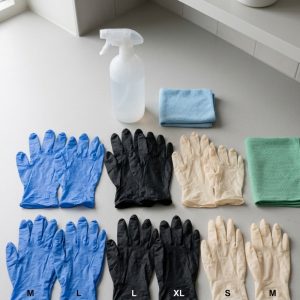
Ventilation, gloves, and eye protection matter more than most people think—especially in small bathrooms and plant rooms.
How to use dilution and contact time without wasting product
Dilution: stronger isn’t always better
Over-concentrating can cause:
• residue and stickiness
• surface damage
• extra rinsing time
• higher risk for skin and lungs
Follow label ratios and measure properly. If you’re changing products often, standardise your measuring (dispensing pumps, labelled bottles, measured jugs).
Contact time: the most ignored instruction
If a disinfectant requires the surface to stay wet for a set time, a “spray and wipe immediately” routine may not deliver the intended outcome.
You don’t need to memorise every product detail, but you do need a habit: check the label and SDS. Safe Work Australia explains the role of Safety Data Sheets and the importance of accessible, accurate chemical information in workplaces. You can reference their SDS guidance here: Safe Work Australia – Safety Data Sheets
Q: What’s a safe process when I’m trying a new cleaner on a new surface?
Use this simple “test-and-step” routine:
• Read label + SDS highlights (PPE, ventilation, incompatibilities)
• Spot test in an inconspicuous area
• Start at the mildest dilution
• Short dwell time first, then reassess
• Rinse and inspect in good light before committing to the whole area
Area-by-area cheat sheet (without the brand wars)
Here’s the practical pairing logic you can apply anywhere:
If it’s greasy
• Choose mild to medium alkaline or a compatible degreaser
• Rinse/wipe to remove residue
• Escalate strength only if needed
If it’s scale or hard-water spotting
• Choose a mild acid only if the surface allows it
• Control application and rinse thoroughly
• Keep acids away from stone and sensitive metals
If it’s “general grub”
• Choose neutral or mild alkaline
• Use mechanical action (microfibre, brush) to do the heavy lifting
If you need disinfection
• Clean first
• Apply disinfectant per label
• Maintain contact time
• Don’t mix products
If you want a single internal reference point for your team’s go-to options, you can link them to quality chemical cleaning supplies and train them to choose by surface + soil + outcome, not by “what smells strongest”.
FAQs
What’s the difference between a cleaner, a sanitiser and a disinfectant?
A cleaner removes soil and grease. A sanitiser and disinfectant are used to reduce microorganisms, but they must be used according to label directions, including contact time. In practice: clean first, then sanitise/disinfect if required.
Is pH-neutral always the safest choice?
It’s often the safest starting point—especially on delicate surfaces—but it won’t always remove heavy grease or mineral scale efficiently. Use pH-neutral for routine maintenance, then step up only when the soil demands it.
Can I use an all-purpose cleaner everywhere?
Sometimes on sealed, durable surfaces, yes. But “everywhere” fails when you hit:
• natural stone
• specialty coatings (matte finishes, anti-fingerprint coatings)
• heavy scale build-up
A small amount of surface awareness prevents big damage.
Why do some cleaners leave streaks on stainless steel and glass?
Usually residue, over-application, or the wrong follow-up wipe. Use less product, rinse when needed, and finish with a dry microfibre.
How do I stop bathroom cleaners from damaging fixtures?
Use the right product strength, avoid leaving acids sitting on metal, and rinse/dry fittings after use. If the bathroom has mixed materials (stone + metal + glass), apply products with more control (cloth-to-surface rather than spraying broadly).
What’s the safest way to handle multiple chemicals on the same job?
Keep products separate, never mix, label spray bottles, and rely on SDS/label instructions for PPE and compatibility. Ventilation is non-negotiable in small rooms.
When should I avoid acids completely?
Avoid acids on marble, limestone, travertine, and anywhere you can’t confirm the surface material. If you’re unsure, start with a neutral cleaner and spot test.
How do I know if I’m using too much chemical?
Signs include sticky floors, smeary glass, dulling, haze, and strong lingering odours. Reduce concentration, improve rinsing, and confirm the product matches the soil type.