


















Blog
Safer Disinfecting Supplies for Offices: Contact Time, Fit-for-Purpose Use, and Common Mistakes

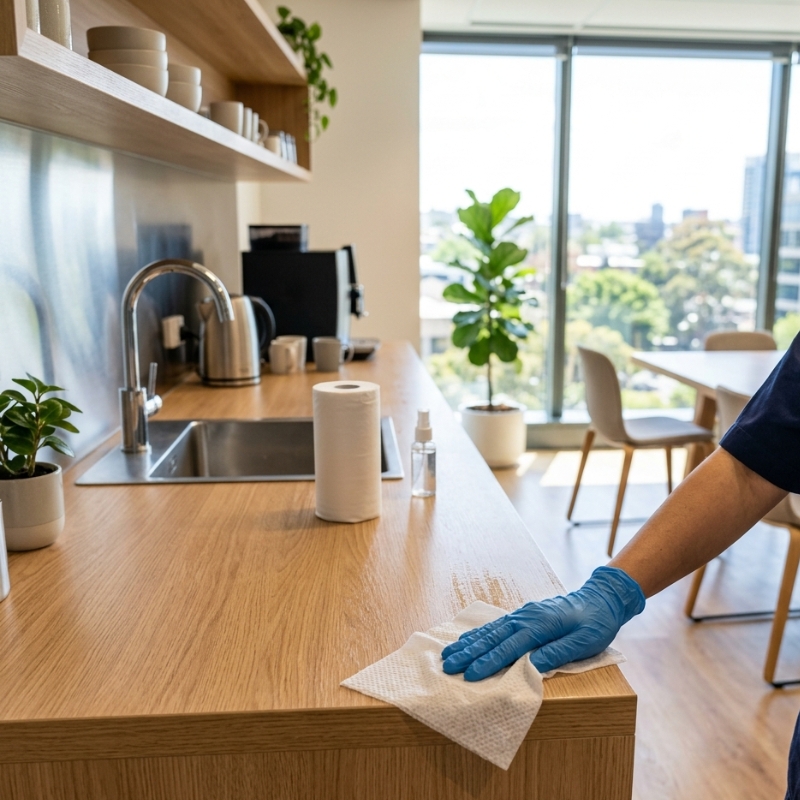
Office hygiene in Sydney isn’t about using the “strongest” chemical you can find. It’s about choosing cleaning supplies and disinfecting products that are fit for purpose—matched to the right surface, used for the right reason, and applied in a way that actually works.
The tricky part is this: many workplaces do disinfecting “activities” (spray, wipe, walk away) without achieving disinfecting “outcomes”. The most common culprit is contact time.
Contact time (sometimes called dwell time) is the amount of time a disinfectant must stay wet on a surface to do the job it claims to do. If the surface dries too fast, is too dirty, or gets wiped immediately, you may be left with a surface that looks clean but hasn’t been disinfected as intended.
This guide is written for Sydney offices and NSW workplaces, but the principles apply across Australia. You’ll learn how to pick fit-for-purpose disinfecting supplies, achieve contact time in real office conditions, reduce unnecessary chemical exposure, and avoid the mistakes that quietly undo your efforts.
Cleaning vs disinfecting in offices (and when each matters)
A lot of confusion starts with one question: “Should we disinfect everything?”
In most offices, routine hygiene is primarily about cleaning (removing soil, oils, fingerprints, dust, and grime). Disinfecting is a targeted step used when there’s a clear reason to reduce germs beyond what cleaning can do on its own.
What cleaning does
Cleaning removes visible dirt and organic material. This matters because grime can shield microbes and reduce the effectiveness of disinfectants. If you disinfect without cleaning first (when needed), you can waste product and effort.
What disinfecting does
Disinfecting uses a chemical (or other method) designed to inactivate or kill certain germs on hard surfaces. Disinfectants are not “one size fits all”. They have different claims, different required contact times, and different compatibility with materials.
When should offices be disinfectant
Disinfection is most useful when:
• A high-touch surface is shared by many people (kitchen fridge handles, tapware, lift buttons, meeting room tables, shared printers)
• There’s a higher risk due to illness circulating in the workplace
• There’s been contamination (vomit/diarrhoea events, blood/body fluids)
• A space is used by the public or many external visitors (reception counters, touchscreens)
For general day-to-day office upkeep, a good cleaning routine plus targeted disinfection on true high-touch points is often more effective (and safer) than blanket disinfecting of everything.
Quick Q&A
Do we need to disinfect every desk daily?
Usually no. In many offices, cleaning for dust and grime plus targeted disinfection of shared high-touch points is a more balanced approach—especially if your team includes people sensitive to fumes or fragrances.
Contact time: the most ignored instruction on the bottle
Contact time is what turns a “wipe” into a disinfecting step. It’s the difference between a surface being wiped with a disinfectant and the disinfectant being allowed to work.
Why contact time fails in real offices
Sydney offices often have:
• Air conditioning that dries surfaces quickly
• Low humidity indoors
• Fast-paced cleaners or staff who wipe immediately
• Disinfectant wipes that dry out mid-task
• Smooth surfaces where product beads up and doesn’t spread evenly
If you’ve ever sprayed a desk and watched it dry in seconds, you’ve seen contact time failure.
How to actually achieve contact time
Practical tactics that help:
• Work in zones: spray several high-touch points, then return to the first for a final check once it has stayed wet long enough
• Use enough product to keep the surface visibly wet (without flooding electronics)
• For wipes: use multiple wipes if one dries out, and ensure the surface stays wet for the full required time
• Reduce air movement temporarily where practical (e.g., avoid spraying right under a strong vent)
• Don’t “polish dry” immediately unless the label says you can
Quick Q&A
If the disinfectant dries before the contact time, is it useless?
It may not achieve the claimed disinfecting effect. If you can’t keep the surface wet for the required time, the process needs adjusting (more product, a different method, or a different disinfecting supply better suited to that task).
Fit-for-purpose disinfecting supplies: how to choose the safer option
“Safer” in an office context usually means:
• Effective for the intended use
• Lower unnecessary exposure (fumes, harshness, residue)
• Compatible with surfaces and equipment
• Supported by clear label instructions and an SDS
Instead of asking “What’s the strongest?”, ask these four questions.
1) What surface are we disinfecting?
Offices include a mix of materials:
• Laminates and sealed desktops
• Stainless steel taps and fixtures
• Painted surfaces
• Glass
• Plastics (keyboards, phone handsets)
• Soft furnishings (which usually require different methods)
Some disinfectants can corrode metals, dull plastics, or damage coatings over time. Fit-for-purpose means matching the supply to the surface.
2) What’s the real risk level?
A boardroom table is not the same as a bathroom change area. Fit your disinfecting intensity to the area’s use:
• High-touch, shared: targeted disinfection makes sense
• Low-touch, personal: routine cleaning may be enough
• Food areas: pay attention to residue and rinse requirements (follow the label)
3) Who is exposed?
Think beyond “cleaners” and consider:
• Staff seated nearby (open-plan exposure)
• Visitors in reception areas
• People with asthma, migraines, allergies, eczema, or fragrance sensitivity
• Pregnant staff (who may prefer reduced chemical exposure)
In many Sydney offices, the best upgrade is not “more frequent disinfecting”, but “better targeted disinfecting with fewer fumes”.
4) Can we manage it safely under WHS?
Even common disinfectants are still chemicals. A safer system includes:
• The Safety Data Sheet (SDS) is available and understood
• Store away from food and out of public access
• Correct labelling when decanting into spray bottles
• Training on gloves/eye protection where required
• No mixing of chemicals
For SDS basics in Australia, see the external reference from Safe Work Australia.
Quick Q&A
Is “hospital grade” always the best choice for offices?
Not necessarily. Office needs are often best met with fit-for-purpose products used correctly, rather than the harshest option used inconsistently.
Common mistakes that undermine office disinfection (and how to fix them)
Mistakes are usually process problems, not “bad products”. Here are the big ones.
Mistake 1: Disinfecting a dirty surface
If a surface has grime, grease, or sticky residue, disinfectant may not work as intended.
Fix:
• Clean first where needed (especially kitchens, breakout areas, and anything visibly soiled)
• Disinfect second for high-touch points
Mistake 2: Spray-and-wipe immediately
This is the most common contact-time failure.
Fix:
• Apply enough product to keep the surface wet
• Let it sit for the required time
• Only wipe if the instructions say to wipe, or if the surface needs drying for practical reasons (again: follow label directions)
Mistake 3: Using a disinfectant wipe like a “dry duster”
A wipe that isn’t wet enough isn’t achieving disinfectant contact time.
Fix:
• Use fresh wipes and reseal containers
• Use multiple wipes for larger surfaces
• Replace dried-out wipes instead of pushing through
Mistake 4: Over-disinfecting low-risk areas
More chemicals don’t always mean more safety. It can mean more fumes, more residue, more skin irritation, and more surface damage.
Fix:
• Create a tiered plan: targeted disinfection for true high-touch points, cleaning for low-touch areas
• Increase disinfection temporarily during illness circulation rather than “always maximum”
Mistake 5: Using the wrong tool for electronics
Spraying directly onto keyboards, phones, and screens risks damage and may be unsafe.
Fix:
• Apply product to a cloth first (where label directions allow)
• Use purpose-made wipes suitable for electronics when needed
• Avoid oversaturation
Mistake 6: Decanting into unlabelled bottles
A mystery spray bottle in a cupboard is a WHS problem waiting to happen.
Fix:
• Label decanted bottles clearly
• Keep SDS accessible
• Train staff on what each product is for
Mistake 7: Mixing chemicals (especially “to make it stronger”)
Mixing can create dangerous reactions and harmful fumes.
Fix:
• Never mix products unless the label explicitly instructs it (rare)
• Keep different products separated and clearly labelled
• Use a single, fit-for-purpose system rather than a “cocktail” of products
A practical Sydney office routine that protects people and still works
Here’s a realistic approach many offices can use without turning the workplace into a chemical zone.
Step 1: Define “high-touch” for your workplace
Walk through your Sydney office and list what people touch frequently:
• Reception counter edges and EFTPOS areas
• Lift buttons (if applicable) and stair rails
• Kitchen: fridge handle, microwave buttons, kettle handle, taps
• Meeting rooms: table edge, shared remotes/cables
• Print stations: touchscreens, release buttons
• Bathrooms: door handles, flush buttons, taps
Step 2: Set frequency based on use
Instead of “everything daily”, set a frequency that matches traffic:
• Reception and shared touchpoints: more frequent
• Meeting rooms: after heavy-use days
• Low-touch areas: cleaning schedule + as needed
Step 3: Build contact time into the workflow
The easiest way is to rotate:
• Apply to Point A, B, C
• Return to A once it has sat long enough
• Wipe only if required
Step 4: Reduce unnecessary exposure
Small changes matter:
• Choose low-odour options where feasible
• Ventilate during and after disinfecting tasks
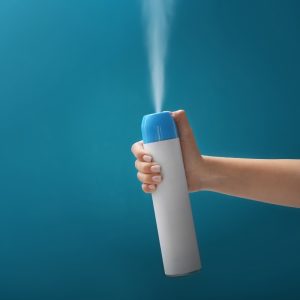
• Avoid spraying into the air (aim at surfaces, use cloth application where appropriate)
• Use gloves if directed by the SDS/label, and wash hands afterwards
Next step (supplies, not sales)
If you’re reviewing what you keep on hand for day-to-day hygiene, you can explore cleaning supplies for offices and compare formats like wipes, ready-to-use sprays, and concentrates based on how your workplace actually operates.
Supplies checklist for safer office disinfection (without overdoing it)
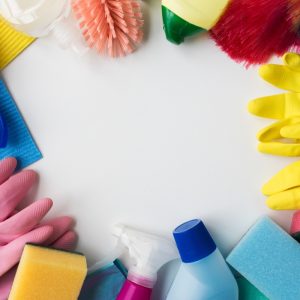
A sensible office kit typically includes:
• A general-purpose cleaner for routine soil removal
• A disinfectant suitable for your key hard surfaces and typical office risks
• Disposable wipes or reusable cloths with a laundering system (to prevent cross-contamination)
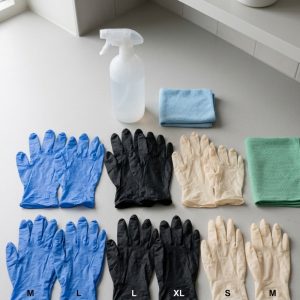
• Gloves (where required)
• Spray bottles that are properly labelled (if decanting is part of your system)
• A simple process for keeping SDS accessible and up to date
For many workplaces, simplifying the range (fewer products, used correctly) is safer than having ten partially understood bottles in a cupboard.
If you’re standardising items across multiple sites, it can help to learn more about cleaning supplies for offices, so your team isn’t mixing random brands, duplicate products, or mismatched instructions.
Scenarios: what “fit-for-purpose” looks like in real offices
Scenario 1: Open-plan desks with shared hot-desking
Priority:
• Target disinfection to shared touchpoints (dock stations, shared keyboards if any, meeting room equipment)
• Encourage personal wipe-down of individual desk zones where appropriate
• Avoid heavy sprays that linger in air-conditioned areas
Key success factor:
• Contact time without fogging the space with fragrance
Scenario 2: Breakout kitchen with constant traffic
Priority:
• Clean first where grease/food residue is present
• Disinfect high-touch points (handles, taps, buttons)
• Follow label instructions about food-contact surfaces (including any rinse steps)
Key success factor:
• Process discipline (clean then disinfect), not “stronger chemistry”
Scenario 3: Bathrooms and end-of-trip facilities
Priority:
• High-touch disinfection makes sense
• Use PPE as required
• Store supplies securely and label decanted bottles
Key success factor:
• Clear task separation and avoiding cross-contamination (don’t use the same cloth system as desks)
Scenario 4: A sick day wave moves through the office
Priority:
• Temporarily increase disinfection frequency for true high-touch points
• Keep routines calm and consistent
• Avoid panic-mixing products or over-spraying the air
Key success factor:
• Targeted disinfection + correct contact time
Final FAQ
What is disinfectant contact time in simple terms?
It’s how long the disinfectant needs to stay wet on the surface to work as claimed. If it dries too fast or you wipe it immediately, you may not get the intended disinfecting result.
Is disinfecting always better than cleaning?
No. Cleaning removes soil and is often the main requirement for day-to-day office hygiene. Disinfection is best used for high-touch shared points, higher-risk areas, or specific contamination events.
Can we disinfect without cleaning first?
Sometimes, yes—if the surface is not soiled and the product is intended for that use. But if there’s visible dirt, grease, or grime, cleaning first is usually the safer, more effective approach.
Why do disinfectant wipes “not work” in offices?
Often it’s not the wipe—it’s the process. Wipes can dry out, be used on too large an area, or not keep surfaces wet long enough to meet contact time.
What’s the safest way to disinfect phones and keyboards?
Avoid spraying directly. Use a method that limits moisture and follows the product instructions—often applying to a cloth first or using suitable wipes for electronics.
Should offices use fragranced disinfectants?
If your workplace includes people sensitive to odours, low-odour options and better ventilation can reduce complaints and discomfort while still maintaining hygiene.
What should we keep for WHS compliance with disinfecting supplies?
At minimum, keep Safety Data Sheets accessible, label decanted containers, store chemicals safely, and train staff on correct use and PPE requirements.
Where should an office start if it wants a simpler, safer supplies setup?
Start with a small, fit-for-purpose range (cleaner + disinfectant + wipes/cloth system) and make sure the team can reliably achieve contact time. If you’re comparing options, look for quality cleaning supplies for business that match office realities, not industrial extremes.