




















Blog
Best Cleaning Products for Every Surface: A Practical Buyer’s Guide (Sydney)

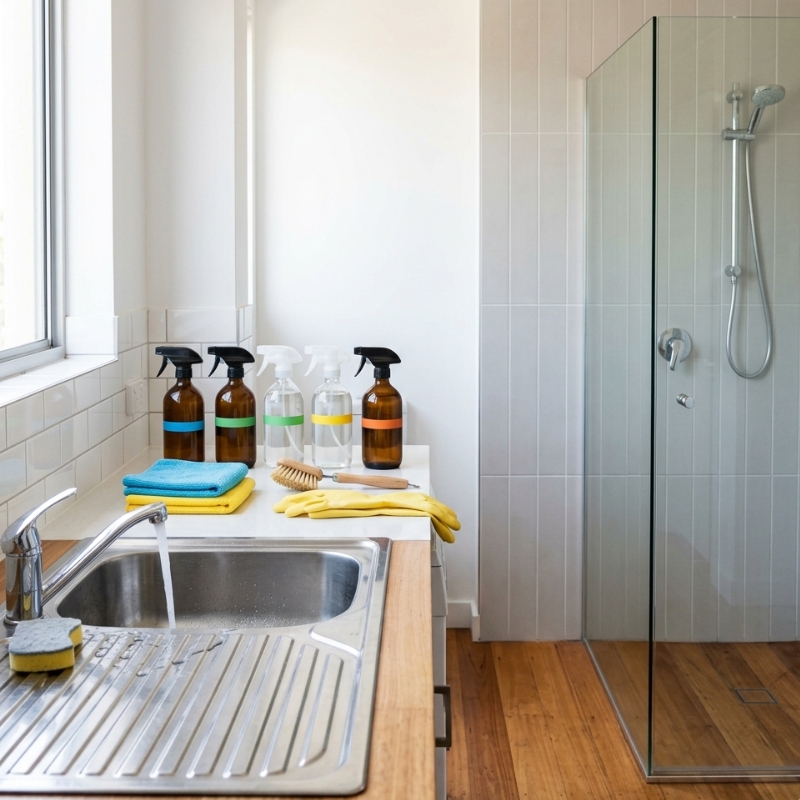
Sydney homes are a mixed bag: glossy apartment kitchens, coastal grime on balcony glass, sandstone features, engineered stone benchtops, timber floors, and bathrooms that cope with humidity for months. The easiest way to waste money (or damage a finish) is to buy “one miracle cleaner” and use it everywhere. The smarter approach is simple: match the product type to the surface and the mess, then use it safely. And yes, that includes understanding when a “chemical” label warning matters, when ventilation is non-negotiable, and why “stronger” often means “riskier” for stone, metals and coatings.
This guide walks you through exactly what to use (and what to avoid) on the most common surfaces in Sydney homes and workplaces. You’ll also get practical buying tips (concentrate vs ready-to-use, pH, dwell time), plus safety basics that keep you out of trouble.
The decision rule that stops 90% of bad buys
Before you buy anything, answer two questions:
• What is the surface made of (and is it coated/sealed)?
• What is the soil type (grease, mineral scale, soap scum, mould, food residue, body oils, dust)?
Then choose the product category that matches both.
Product categories you’ll see on shelves (and what they’re for)
• General-purpose cleaner: everyday grime on robust surfaces; usually your “most used” product
• Detergent: lifts dirt and oils; good for routine cleaning and pre-wipe steps
• Degreaser: breaks down fats/oils (kitchen splashback, rangehoods, workshop floors)
• Bathroom cleaner/soap scum remover: formulated for body oils + soap residue
• Descaler: targets mineral deposits (limescale) around taps, shower glass, and kettles
• Glass cleaner: streak-free finish; quick-evaporating formulas
• Disinfectant/sanitiser: targets microbes; requires correct dwell time and label directions
• Floor cleaner: lower-foam formulas designed for mops and machines
• Neutral (pH-neutral) cleaner: gentler option for sensitive surfaces (often safest “default” for stone and some coatings)
Q&A: What’s the difference between cleaning and disinfecting?
If you can see grime, you need to clean first. Disinfectants work best on visibly clean surfaces, and they often require a set contact time (dwell time) to be effective. In practical terms:
• Clean = remove dirt/grease/film
• Disinfect = reduce microbes after cleaning, using label directions
If you skip the cleaning step, you may spend more and get worse results.
Buyer’s checklist: what to look for before you add to cart
1) Surface compatibility beats brand names
Look for “safe for…” guidance on the label, but also learn the common “no-go” zones:
• Natural stone and many engineered stones: avoid acidic products unless specifically stone-safe
• Aluminium and some metals: avoid strong caustics and harsh acids
• Timber floors: avoid soaking and harsh alkaline cleaners that strip finishes
• Specialty coatings (matte, anti-fingerprint, painted surfaces): avoid abrasives and strong solvents
2) Concentrate vs ready-to-use (RTU)
Concentrates often give better value if you clean frequently, but only if you measure and dilute properly.
• Choose RTU if: you want convenience, you’re cleaning small areas, or you don’t want dilution errors
• Choose concentrate if: you want lower cost per use, less packaging, or you clean larger areas regularly
3) “Strong” isn’t always “better”
Stronger products can:
• etch stone
• dull stainless steel
• strip floor finishes
• discolour grout sealers
• irritate skin and lungs in small Sydney bathrooms with limited ventilation
4) Safety basics you should never skip
• Ventilate (open windows/doors, run exhaust fans)
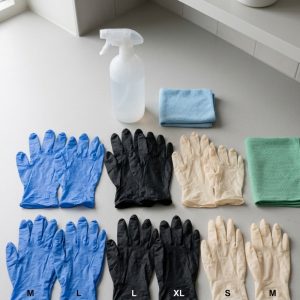
• Wear gloves for anything beyond mild detergents
• Never mix products unless the label explicitly says you can
• In workplaces, keep Safety Data Sheets (SDS) accessible and follow handling/storage guidance (see Safe Work Australia’s SDS guidance)
Surface-by-surface: what to use, what to avoid, and why
Kitchen benchtops
Engineered stone and stone-look surfaces
Best picks:
• pH-neutral everyday cleaner
• mild detergent + warm water for routine wiping
• a non-abrasive cream cleanser only if the manufacturer says it’s suitable
Avoid:
• acidic “descalers” and strong bathroom acids (etching risk)
• harsh abrasives (micro-scratches that trap grime)
• bleach-heavy products for regular use (can affect sealers/coatings over time)
Tip for Sydney kitchens: if you’re near the coast or keep balcony doors open, you can get a fine dusty film. A microfibre cloth plus a neutral cleaner reduces streaking and prevents gritty rubbing.
Laminate benchtops
Best picks:
• general-purpose cleaner
• mild detergent solution
Avoid:
• abrasive powders and scouring pads (dull the finish)
• soaking seams (swelling risk)
Q&A: Can I use a bathroom cleaner on kitchen surfaces?
Sometimes, but it’s often the wrong tool. Many bathroom formulas target soap scum and mineral deposits and can be too aggressive for stone, metals, and some coatings. If you want one “safe default,” a pH-neutral cleaner plus a targeted degreaser for tough grease is a safer combo than using bathroom acid everywhere.
Stainless steel (sinks, appliances, splashbacks)
Best picks:
• mild detergent + warm water for daily cleaning
• stainless steel cleaner/polish for fingerprints and shine
• non-abrasive degreaser for cooking oil film (wipe, then rinse)
Avoid:
• chlorine bleach left sitting (spotting/pitting risk on some steels)
• abrasive powders and harsh scouring pads (scratch risk)
• strong acids left to dwell (can dull and mark)
Technique matters:
• Wipe with the grain
• Rinse after degreasers
• Dry with a clean microfibre to reduce water spots
Glass and mirrors (shower glass, balcony doors, windows)
Best picks:
• dedicated glass cleaner for routine fingerprints and haze
• for shower glass film: a soap scum remover or a mild descaler used carefully, then rinse well
• microfibre cloths (two-cloth method: one damp, one dry)
Avoid:
• abrasive pads (micro-scratches cause permanent haze)
• heavy residue products that smear (some “multi-purpose” sprays do this)
Sydney-specific note: hard-water spotting varies by area and building plumbing. If you’re fighting persistent spots, a targeted descaler can help—but only if it’s safe for nearby stone and metal trims, and you rinse thoroughly.
Tiles and grout (bathrooms, laundries, splashbacks)
Best picks:
• general-purpose cleaner for routine cleaning
• bathroom cleaner for soap scum on wall tiles
• alkaline cleaner/degreaser for greasy floor areas (laundry, kitchen floors)
• for grout: a dedicated grout cleaner used with a soft brush
Avoid:
• overly acidic products on coloured grout or sealed grout (can fade or damage sealers)
• bleach as a “daily driver” (can weaken some sealers and irritate airways)
Q&A: Why does grout look dirty again so fast?
Grout is porous unless sealed. If you clean the surface but leave residue in the grout texture, it darkens quickly. The fix is:
• periodic deeper clean with a grout-safe product and a soft brush
• Rinse well to remove residue
• Consider resealing if water no longer beads on the grout lines
Timber floors (sealed hardwood, engineered timber, laminate)
Best picks:
• timber floor cleaner designed for sealed floors (low moisture, low residue)
• lightly damp microfibre mop, not a soaking wet mop
Avoid:
• harsh alkaline cleaners (can dull finishes)
• steam mops on some engineered timber/laminate (can force moisture into seams)
• oil soaps unless recommended (can create sticky build-up)
Technique:
• Vacuum or dust-mop first (grit causes scratching)
• Spot clean spills quickly
• Use minimal water—timber and excess moisture do not mix
Vinyl, hybrid and laminate floors
Best picks:
• pH-neutral floor cleaner or a vinyl-safe floor cleaner
Avoid:
• solvent-heavy products (can soften or dull)
• abrasive scrubbers (leave permanent scuffs)
Painted walls and skirting boards
Best picks:
• mild detergent solution for scuffs
• a melamine sponge, very gently on stubborn marks (test first)
Avoid:
• heavy-duty degreasers on matte paint without spot testing (can leave shiny patches)
• abrasive scrubbing (burnishes paint)
Upholstery and carpets (spot cleaning)
Best picks:
• carpet/upholstery spot cleaner matched to stain type
• for greasy stains: a fabric-safe degreasing spotter
• always blot, don’t rub
Avoid:
• soaking the backing (mildew/odour risk)
• “all-purpose” products not designed for fabrics (residue attracts dirt)
Sydney humidity tip: in warmer, humid months, speed matters. Use airflow (fans, open windows) so damp fibres dry quickly.
Room-by-room product picks (the practical kit)
You don’t need 20 bottles. Most Sydney homes can cover nearly everything with a small, purposeful kit.
Kitchen kit
• General-purpose cleaner (daily wiping)
• Degreaser (rangehood, splashback, oily build-up)
• Glass cleaner (appliance fronts, windows)
• Disinfectant (high-touch areas, used according to label directions)
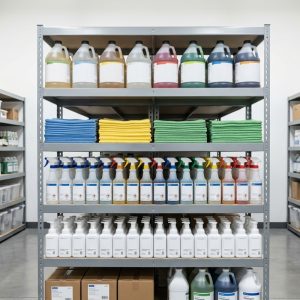
If you’re stocking up for frequent cleaning or larger spaces, a well-chosen range of concentrates can be part of your bulk and everyday cleaning essentials, as long as you’re comfortable measuring and following directions.
Bathroom kit
• Bathroom cleaner/soap scum remover (weekly)
• Grout-safe cleaner (periodic)
• Glass cleaner (mirrors)
• Disinfectant for high-touch zones (tap handles, toilet buttons)
Floors kit
• Floor cleaner matched to your floor type (timber/vinyl/tile)
• Spot cleaner for accidental spills and marks
Q&A: Do I really need a different floor cleaner?
If you have sealed timber, yes—it’s worth it. The wrong cleaner can leave residue (sticky floors), dull finishes, or encourage over-wetting. For vinyl/hybrid floors, a compatible low-residue cleaner helps keep the finish looking even.
Choosing “commercial-grade” products without overbuying
“Commercial-grade” often means:
• more concentrated formulas
• designed for heavy soil loads
• consistent results across larger areas
• cost efficiency per use (when diluted correctly)
It does not automatically mean “safe on every surface.” In fact, higher-strength products can be less forgiving on stone, metals and coatings.
If you’re equipping an office, strata common areas, a café back-of-house, or you simply want fewer bottles that do more (with correct dilution), browsing a curated commercial-grade cleaning range can make sense—just keep surface compatibility front and centre.
Q&A: Are commercial products too strong for home use?
Not inherently. Many are safe when diluted properly and used as directed. The risk comes from:
• using them undiluted “to make it work faster”
• letting them dwell too long on sensitive surfaces
• using the wrong product category (e.g., acid on stone, caustic on aluminium)
The “do not mix” rules that protect your lungs and your surfaces
Mixing products is where DIY cleaning turns risky fast. Keep it simple:
• Never mix anything unless the label explicitly says you can
• Don’t combine different product categories “to boost power”
• If you’re switching products on a surface, rinse and wipe first
In workplaces, SDS and label directions exist for a reason—follow them and store products correctly.
A simple buying flow you can use in-store or online
When you’re staring at shelves (or tabs), run this in order:
- Identify the surface (stone? timber? stainless? tile? glass?)
- Identify the soil (grease? mineral scale? soap scum? mould? general grime?)
- Pick the mildest category that solves that soil
- Check label compatibility
- Decide RTU vs concentrate
- Add the right tools (microfibre cloths, soft brush)
- Spot test if the surface is expensive/sensitive or new to you
If you want a single place to compare types and sizes, start with a category view like cleaning products for every surface and narrow down by the jobs you actually have.
Common Sydney scenarios (and what usually works)
1) Coastal salt film on windows and balcony glass
• Start with a gentle, general-purpose cleaner or mild detergent wipe
• Follow with glass cleaner and a dry microfibre
• Avoid gritty scrubbing (it scratches)
2) Humid bathroom haze and soap scum
• Use a soap scum remover weekly
• Rinse well and dry the glass to reduce build-up
• Improve ventilation (exhaust fan, door open after showers)
3) Apartment kitchen grease build-up (rangehoods, splashbacks)
• Use a degreaser, let it work briefly (per label), then wipe and rinse
• Follow with a mild detergent wipe to remove residues
• Dry stainless surfaces to prevent spotting
4) “Dull stone” after using the wrong cleaner
• Stop using the product immediately
• Switch to pH-neutral cleaning
• If etching is visible, you may need professional stone restoration rather than more product
FAQs
What’s the safest all-rounder cleaning product to start with?
A pH-neutral general-purpose cleaner is often the safest “default” for mixed homes, especially where you have stone, coatings, or a mix of metals. Then add a targeted degreaser (kitchen) and a soap scum remover (bathroom) as needed.
What should I avoid using on natural stone?
Avoid acidic products unless they explicitly state they’re safe for that stone type. Acids can etch and dull many stones and some engineered surfaces. When in doubt, stick with pH-neutral and spot test.
How do I stop streaks on glass and mirrors?
Use a dedicated glass cleaner and a clean microfibre cloth. The two-cloth method (one to clean, one to dry/buff) reduces streaks dramatically. Also make sure the cloth is free of fabric softener residue.
Is it better to buy concentrate or ready-to-use?
Concentrates usually win on value if you’ll use them consistently and can measure/dilute accurately. Ready-to-use is better for convenience, smaller homes, or anyone who wants to avoid dilution mistakes.
Do I need to disinfect every time I clean?
Not always. Routine cleaning is often enough for most areas. Disinfect high-touch surfaces when someone is sick, after raw food prep, or in higher-risk settings. Always follow label directions for contact time.
How do I choose a product for timber floors?
Pick a timber floor cleaner intended for sealed floors and use a lightly damp microfibre mop. Avoid soaking the floor and avoid harsh alkaline cleaners that can dull the finish.
What’s the best approach for grout?
Use a grout-safe cleaner periodically, agitate with a soft brush, then rinse well. If grout stains return quickly, the grout may be unsealed or the sealer may have worn off.
When should I stop DIY and call a professional?
• Visible etching/dulling on stone that doesn’t improve with gentle cleaning
• Large-scale mould issues or recurring mould linked to building moisture problems
• Commercial sites where SDS, storage, and staff handling systems need formal compliance controls