



















Blog
Shared Air, Shared Space: Smell Etiquette for Offices, Clinics, Gyms, and Retail

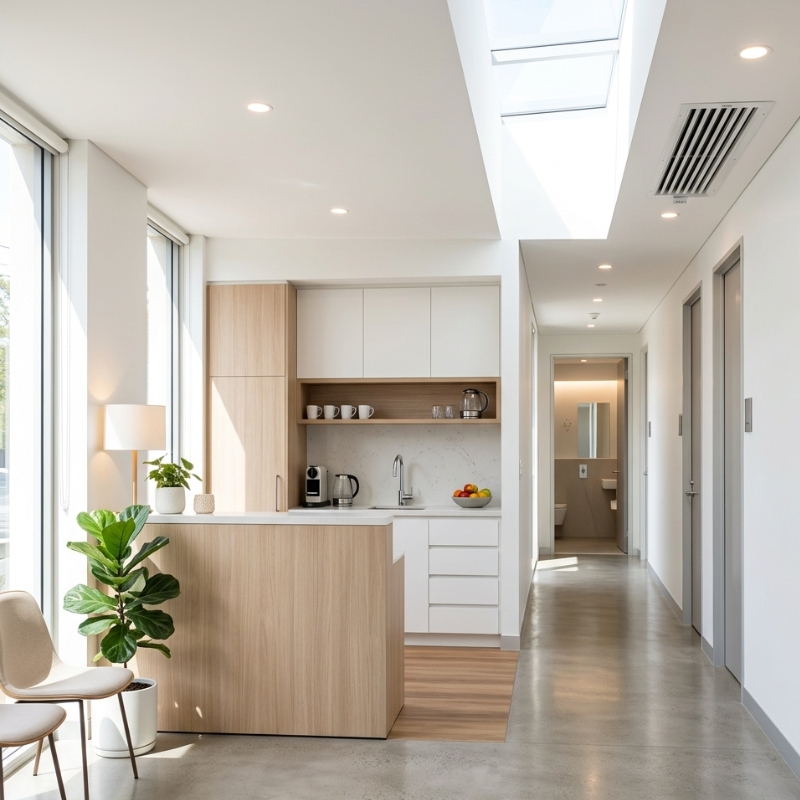
If you’ve ever walked into a workplace and immediately thought “something smells off”, you already understand the core problem: odours are personal, but air is shared—and even well-meant air fresheners can become a point of tension in shared spaces.
In Sydney workplaces, smell complaints tend to spike in the same situations again and again:
• humid or rainy weeks when buildings feel “closed up”
• busy periods when bins, bathrooms, and kitchens get hammered
• close-contact settings like reception counters, consult rooms, change rooms, and retail floors
• mixed-use sites where staff areas and customer areas share the same airflow
Smell etiquette isn’t about making everything “smell nice”. It’s about keeping spaces comfortable, professional, and inclusive—especially for people who experience headaches, nausea, asthma symptoms, or migraines around certain fragrances.
This guide gives you clear, practical rules and a calm way to handle complaints—without blame, awkwardness, or fragrance overload.
What “smell etiquette” actually means in a workplace
Smell etiquette is a shared understanding that:
• nobody owns the air in a shared space
• “clean” shouldn’t require a strong fragrance
• the goal is comfort and function, not personal preference
• the first fix is almost always removing the odour source, not covering it
It’s also a reminder that smell issues usually fall into two buckets:
• hygiene and maintenance (bins, drains, dampness, food waste, toilets)
• personal products and sensitivities (perfume, deodorant, aftershave, hair products)
Both can be addressed with practical steps and clear expectations.
The fastest way to reduce complaints: fix the source first
When odours show up, most workplaces jump straight to scent. That’s often where complaints begin.
A better sequence is:
• remove the source
• improve airflow
• clean and dry the area properly
• only then consider a light, neutral approach if needed
Common “source” culprits by workplace type
Offices
• fridge clean-outs, old food containers, sink gunk
• bin liners left too long (especially under desks)
• damp carpet near entryways in wet weather
Clinics
• clinical waste handling (even when done correctly, timing matters)
• strong disinfectant smells lingering in small rooms
• staff room kitchen odours drifting into reception
Gyms
• sweat trapped in soft flooring, mats, and change room corners
• towel bins and laundry holding areas
• showers, drains, and poor air turnover during peak classes
Retail
• stockroom cardboard/dust mustiness
• rubbish build-up near loading areas
• customer traffic + sealed shopping centre air creating “stale” smells
Airflow matters more than people think
Even a perfectly clean space can smell unpleasant if the air is stagnant.
A simple principle: if smells linger, the building may not be clearing air effectively for that room’s use and occupancy. Practical steps might include checking ventilation settings, ensuring vents aren’t blocked, and reviewing how air moves between toilets, kitchens, and customer zones.
If you want an authoritative reference point for Sydney, SafeWork NSW explains what workplace ventilation is and why it matters for health and safety: Ventilation at work (SafeWork NSW).
A “smell etiquette charter” you can actually use
If you manage people (or just want fewer awkward conversations), set expectations in plain language. Here’s a practical charter you can adapt:
• Keep shared areas neutral: avoid strong personal fragrances during work hours
• Don’t use scented sprays at desks, in staff rooms, or near reception
• If there’s an odour, report it early (kitchen, bins, toilets, drains)
• Keep food smells contained: lids on, bins emptied, fridge cleaned weekly
• Respect sensitivities: if someone raises a health issue, take it seriously
• Focus on fixes, not blame: source removal and airflow first
The goal isn’t to police people. It’s to reduce friction and protect comfort for everyone.
Q&A: Can a workplace ask staff not to wear perfume?
Yes, many workplaces set “scent-aware” expectations—especially where staff work close to others, or where customers have medical sensitivities (clinics) or high density (gyms). The key is how it’s framed.
What works best:
• position it as shared-space etiquette and health comfort
• keep it simple and non-accusatory
• apply it consistently (including to managers and visitors)
• focus on “strong and noticeable” scents rather than banning everything
What to avoid:
• calling someone out publicly
• assuming it’s “just preference” when someone reports symptoms
• replacing perfume issues with even stronger cleaning chemical smells
Room-by-room etiquette rules that prevent problems
Reception and customer-facing zones
These spaces are high-impact because customers form a first impression within seconds.
Practical rules:
• aim for neutral and “clean” rather than “fragranced”
• avoid strong bursts of scent right before opening (it can feel overwhelming)
• keep bins out of airflow paths and empty them before peak times
• if odours appear, treat it as a maintenance signal, not a scent problem
If you’re looking to support this area without going overboard, think in terms of consistent, low-drama practices—like keeping customer areas smelling clean through regular bin timing, spot cleaning, and air movement rather than “big scent moments”.
Kitchens and staff rooms
Staff areas are the biggest source of complaints in office settings.
Etiquette rules that work:
• label a weekly “fridge reset” time (and stick to it)
• use lidded bins and empty daily in warm/humid weeks
• wipe sinks and drains at the end of the day (food smell builds fast)
• keep “strong-smell foods” contained and disposed of quickly
• avoid spraying fragrance to cover lunch odours—it almost always backfires
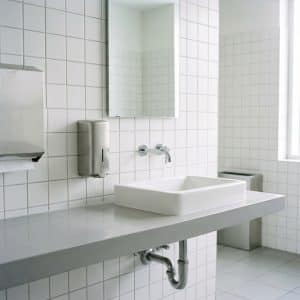
Bathrooms and change rooms
Bathrooms are where people feel the strongest emotions about smell—because it signals hygiene, even when the place is genuinely clean.
Good practice:
• schedule cleans around peak use (not just “once a day”)
• prioritise source control: bins, floors, drains, splash zones
• keep doors/vents clear so air can move
• in gyms, treat change rooms as a separate odour ecosystem from the gym floor
If your building is busy, it’s worth thinking about consistency and placement rather than “more scent”. Many facilities do better with systems designed for shared environments, like choosing air fresheners for shared spaces that support routine and predictability.
Consult rooms and treatment spaces (clinics)
Clinics require extra care because people may be nauseated, post-op, pregnant, or managing respiratory conditions.
Etiquette rules:
• keep consult rooms as close to neutral as possible
• avoid strong perfumes, essential oils, or “spa scents” unless you’re certain they won’t trigger symptoms
• separate cleaning times from appointment times when feasible
• ventilate between patients if a smell lingers
The complaint-handling script that keeps things calm
Smell complaints go badly when they become personal (“someone smells”) or when the response is dismissive (“it’s not that bad”).
Here’s a practical manager script:
- Acknowledge
• “Thanks for raising this. Smell issues can be really distracting.” - Clarify the impact
• “Is it a general odour, or does it seem linked to a product or area?”
• “Is this a comfort issue, or are you getting symptoms like headache, nausea, or asthma flare-up?” - Act on the environment first
• check bins, toilets, kitchen, drains, damp areas
• increase airflow where possible
• schedule a targeted clean - If it seems personal-product related
• address it privately, neutrally, and with shared-space framing
• “We’ve had feedback that strong scents are affecting people in close spaces. Can we keep fragrances lighter while at work?” - Follow up
• “Has it improved?”
• document repeated issues so it’s not a never-ending loop
Q&A: What scents cause the most workplace complaints?
Across most workplaces, complaints cluster around:
• strong perfume/aftershave and fragranced hair products
• “mixed fragrance” environments (cleaner smell + perfume + deodorant together)
• overly sweet or heavy scents that linger in warm weather
• intense disinfectant smell trapped in small rooms
• “cover-up” sprays used in kitchens and bathrooms
The pattern isn’t “any scent is bad”. The pattern is intensity + poor airflow + proximity.
How to keep things inclusive for scent sensitivities
People don’t always disclose sensitivities. They may worry about being seen as difficult.
Inclusive moves that help:
• make shared-space expectations visible (a short sign in staff areas is enough)
• allow seating adjustments if someone reacts in a particular zone
• reduce the need for fragrance by tightening cleaning and airflow routines
• train supervisors not to debate symptoms—just act on practical controls
If someone reports health symptoms, treat it like any workplace comfort and safety issue: investigate, reduce exposure, and adjust the environment where reasonable.
A practical “decision tree” for facilities and managers
When you notice odours or get complaints, run this order:
- Is there an obvious source?
• bins, food waste, drains, damp carpet, toilets, laundry
Fix that first. - Is air clearing properly?
• vents blocked, doors propped, room overcrowded, stale air
Improve ventilation/air movement. - Is the issue a personal fragrance or product?
• strong perfume, desk sprays, fragranced lotions
Address etiquette and set clear expectations. - Do you still need support in high-traffic areas?
If yes, keep it neutral, consistent, and aligned with the venue type. In busy facilities, the practical focus is often on predictability and maintenance support—like air fresheners and dispensers for facilities that suit routine schedules rather than dramatic scent.
Gym-specific etiquette: where smell complaints really start
Gyms have a unique mix: sweat, humidity, rubber flooring, and peak occupancy waves.
High-impact actions:
• empty towel bins more often than you think you need to
• deep-clean “edge zones” where sweat and moisture collect
• rotate mat cleaning and drying so odours don’t build up
• keep change rooms on their own ventilation priority list
• discourage personal body sprays in enclosed change rooms
Retail-specific etiquette: customer proximity changes everything
In retail, even mild smells can feel strong because customers stand close to staff.
Practical rules:
• keep customer-facing zones neutral
• store fragrance products (including cleaning chemicals) away from airflow paths
• manage waste timing around foot traffic
• avoid spraying anything in a way customers can see (it signals “we’re covering something”)
Q&A: What’s the difference between “clean smell” and “covered-up smell”?
A “clean smell” is usually:
• low intensity
• short-lived
• associated with actual cleanliness and dry surfaces
• not competing with other scents
A “covered-up smell” is:
• strong and lingering
• layered over an existing odour source
• more likely to trigger complaints and headaches
• often worse in warm or humid conditions
If you want fewer complaints, aim for “neutral and clean” rather than “noticeably scented”.
FAQ
How do we introduce smell etiquette without upsetting staff?
Keep it general and shared-space focused. Use phrases like “strong fragrances in shared areas” and “comfort for everyone” rather than singling out individuals. Start with environment fixes first so it doesn’t feel like you’re blaming people for a facilities problem.
Should we go completely fragrance-free?
Not always. Clinics and certain consult settings often benefit from near-neutral spaces, but other workplaces do fine with a “light and respectful” approach. The decision should reflect customer needs, staff proximity, ventilation, and any reported sensitivities.
What should we do if a customer complains about the smell?
Treat it like any customer experience issue: apologise, move them if possible, check for an obvious source (bathrooms, bins, kitchen), and improve airflow. Avoid spraying fragrance in front of them—it can make things worse.
Why do smell complaints get worse in wet Sydney weather?
Humidity and dampness make odours hang around longer, especially in carpeted areas and enclosed bathrooms. Wet umbrellas, damp entry mats, and reduced ventilation (closed doors/windows) can also contribute.
Are desk sprays a good idea?
Usually no. In shared air, desk sprays create an intense local scent cloud that can trigger headaches and complaints. It’s better to address the source of the odour and airflow, then keep the space neutral.
How often should we clean kitchens and bathrooms to prevent odours?
Frequency depends on occupancy. If odours show up, the schedule is too light for the space. Target peak-use moments: lunchtime for kitchens, mid-morning and mid-afternoon for busy bathrooms, and end-of-day for bins and drains.
What’s one thing that makes the biggest difference fast?
Bins and airflow. Emptying bins before they smell (especially in warm weather) and ensuring air is clearing properly solves a surprising number of “mystery smell” complaints.