



















Blog
How to Reduce Slip Risk After Floor Cleaning Without Overusing Chemicals

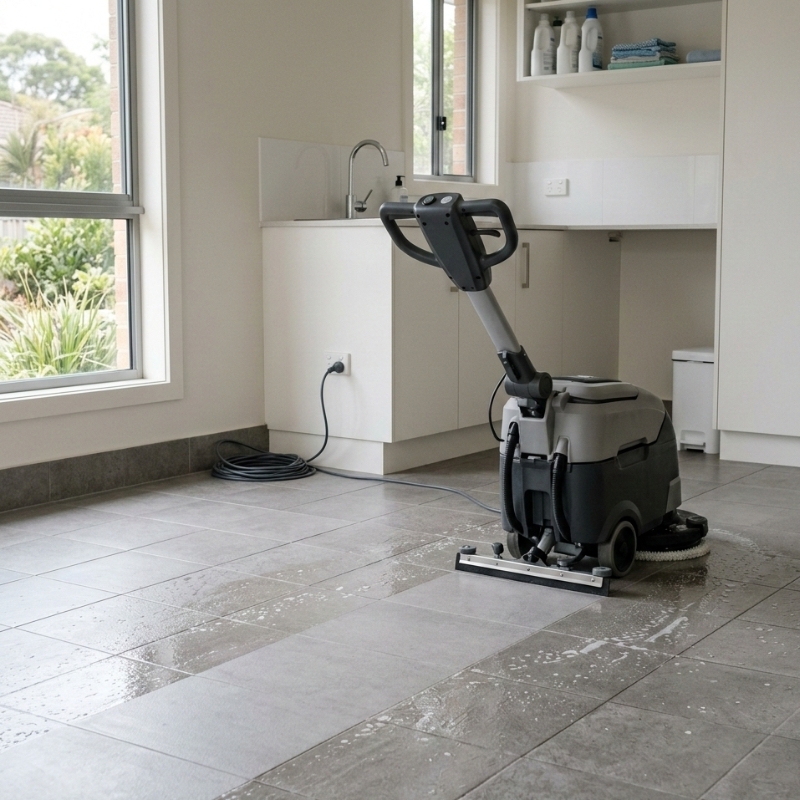
If you’ve ever finished scrubbing and cleaning, stood back to admire the shine, and then realised the floor feels slick underfoot, you’re not alone. In busy Sydney sites — strata lobbies, retail entries, offices, schools, gyms, cafés — slip risk often spikes right after cleaning because the conditions for a fall are temporarily perfect:
• moisture on the surface
• foot traffic returning too soon
• chemical residue or “film” reducing traction
• tracked-in water on rainy days
• worn pads, poor pickup, or uneven drying
The good news: you can usually reduce slip risk without “going harder” on chemicals. In many cases, using more product makes the problem worse by leaving more residue behind.
This guide is about practical controls that work in the real world: the right dilution, the right method for the surface, better recovery and drying, and site management that prevents people from walking on a floor at the wrong time.
Why floors feel slippery after cleaning (even when they look dry)
“Wet floor” is the obvious hazard, but it’s not the only one. Floors can feel slippery for a few key reasons.
Residue and film are the silent slip hazards
A common culprit is residue: detergents, disinfectants, degreasers, or floor finish left behind in a thin layer. That layer can:
• reduce friction even after it dries
• attract dirt faster, creating a grimy, greasy feel
• cause streaking or patchiness that’s worse in traffic lanes
Residue usually builds up because of overdosing, poor rinsing where it’s needed, using the wrong product for the surface, or cleaning methods that spread soil rather than removing it.
Uneven drying creates “wet patches” that people don’t see
Airflow, humidity, and temperature (hello, Sydney summer humidity and rainy weeks) affect drying time. So does how much water you’re laying down.
Even if the middle of the corridor is dry, edges, corners, lift landings, and “shadow zones” under benches can stay damp longer — exactly where people step without looking.
The surface itself may be the issue
Some surfaces are inherently more slip-prone when wet or contaminated (polished stone, some tiles, worn vinyl, smooth epoxy). If the surface is worn or the finish is failing, cleaning can expose the problem rather than create it.
Equipment and method problems
If you’re using a machine, these issues can leave moisture behind:
• worn or incorrectly adjusted squeegee blades
• poor vacuum suction or blocked hoses
• dirty pads/brushes that push grime around
• incorrect water flow (too much solution)
• moving too fast for the machine to recover water properly
If you maintain machinery on site, keeping parts in spec matters. Worn blades and pads aren’t just “performance” issues — they’re safety issues. When you’re checking consumables, this is where having access to quality scrubber parts and accessories can support safer outcomes through better pickup and more consistent results.
Start with the biggest lever: use less chemical, correctly
Overusing chemicals is usually an attempt to fix one of these underlying issues:
• soil isn’t being lifted/agitated properly
• You’re not removing the dirty solution effectively
• You’re cleaning too large an area before recovery/drying
• the floor has built-up that needs periodic removal, not daily detergent
Here’s what “using fewer chemicals” actually looks like in practice.
Nail the dilution every time
Inconsistent dilution is one of the fastest ways to get residue and slipperiness.
• Use a measuring cup or dosing system — don’t “free pour”
• Train staff on the exact ratio for each product
• Label bottles clearly (product name + dilution + where it’s used)
• If the manufacturer calls for a rinse, treat that as a safety step, not an optional extra
If you’re using disinfectants, pay attention to two things:
• whether the product is intended to be left to air dry (and on what surfaces)
• whether it leaves a residue that needs removal after dwell time
Choose low-residue products for routine cleaning
For daily or frequent cleaning, favour neutral, low-residue cleaners designed for floors. Heavy degreasers and “all-purpose” products can leave films, especially on vinyl and polished surfaces.
Use chemistry for what it’s good at: targeted problems
Save stronger products for targeted tasks:
• spot-cleaning spills
• periodic deep cleans
• stripping build-up (when appropriate and safe)
Routine cleaning should be mostly process and method, not a chemical arms race.
Improve traction by improving removal, not adding product
The aim is simple: lift soil, capture it, and remove it from the floor — without leaving anything behind.
The microfibre technique actually reduces slip risk
If you’re mopping:
• Use clean microfibre heads (swap frequently)
• Avoid overwetting; wring to damp, not dripping
• Work in smaller sections so you can control drying
• Use a two-bucket system or flat mop system to avoid reapplying dirty water
• Change water often — “grey water” is a residue from the factory
A good rule: if the floor feels tacky, streaky, or squeaky in a weird way, suspect residue. If the mop water goes cloudy fast, you’re likely spreading emulsified soil.
Auto scrubber basics: solution down, water up
If you’re machine-cleaning, the best slip-risk reduction often comes from tuning the recovery system:
• Reduce solution flow to the minimum that still cleans
• Slow down slightly so the machine can recover water properly
• Clean and inspect squeegee blades (nicks and curls leave trails)
• Empty and rinse tanks regularly (dirty recovery affects performance)
• Check vacuum filters and hoses for blockages
If you rely on machines in a high-traffic site, it’s worth ensuring the unit is fit for purpose and well-maintained. For locations that need consistent pickup and polishing outcomes, having reliable high-performance scrubbing and polishing machines helps because good recovery, correct pressure, and stable operation reduce how much moisture is left behind.
Pad/brush choice matters more than people think
Using an aggressive pad on the wrong surface can:
• damage the finish
• create micro-scratches that trap soil
• leave the surface uneven, causing patchy drying
Using a pad that’s too soft can:
• fail to lift soil
• encourage people to add more chemicals to “make up for it”
• leave greasy contamination behind
The practical approach:
• match pad/brush to surface type and soil load
• keep pads clean (clogged pads smear soil)
• replace consumables before they fail, not after
When rinsing is non-negotiable (and when it may not be needed)
This is where people get stuck: rinsing feels like extra time, so it’s often skipped — but skipping can create a slick surface.
Rinsing is often needed when:
• using degreasers or heavy-duty cleaners
• using products that are labelled rinse-required
• cleaning kitchens, food prep areas, or oily residues
• you see streaking, tackiness, or a “soapy” feel after drying
• you’re removing old build-up (finish, grime, or detergent film)
Rinsing may be reduced when:
• you’re using a true low-residue neutral cleaner designed for rinse-free use
• the surface and soil load are light
• you’re using a machine with good recovery and correct dilution
• results are confirmed by inspection and feel underfoot (not just appearance)
A simple compromise that works in many commercial sites:
• do your main clean with correct dilution
• follow with a quick clean-water pass in high-risk zones (entries, ramps, wet areas)
Control the “people factor”: timing, barriers, signage, and re-open criteria
Even a perfectly cleaned floor is a slip risk if people walk on it too soon — especially with smooth-soled shoes, prams, trolleys, or mobility aids.
Use a three-layer control approach
- Isolate the area
• clean in smaller zones
• use cones, tape, or temporary barriers
• close off stairs or ramps during cleaning when possible - Warn clearly
• place wet floor signs at every approach point, not just “nearby”
• position signage so it’s visible before someone steps onto the area
• include direction (e.g., “Use other entrance”) when you can - Reduce exposure time
• schedule cleans in low-traffic windows
• use faster-drying methods
• prioritise entries and choke points first so they’re dry sooner
For WHS-style guidance on controlling slip hazards in workplaces, SafeWork NSW outlines key control measures around housekeeping, maintenance, and hazard management. See SafeWork NSW’s slips, trips and falls information.
Define “safe to reopen” in plain language
Instead of guessing, set simple criteria that staff can follow:
• surface is visibly dry (no sheen of water)
• no tackiness underfoot
• no streaking/film in traffic lanes
• entry matting is in place and not saturated
• signs remain until criteria are met
Sydney-specific slip-risk hotspots (and what to do)
Sydney conditions can make slip risk predictable. If you know the patterns, you can prevent most incidents.
Rainy-day entries and lobbies
Problems:
• tracked water and grit
• saturated entry mats that stop working
• polished stone or tile at entrances
Controls:
• use larger matting zones (outside + inside)
• rotate or dry mats during the day
• spot-dry tracked water frequently (don’t wait for the next clean)
• consider a clean-water pass at the entry after a chemical clean
• keep signage near entries during wet weather
Strata common areas and lift landings
Problems:
• residents moving quickly
• visibility issues (turning corners, exiting lifts)
• small zones that stay damp longer
Controls:
• clean in sections and reopen progressively
• place signage at lift doors and corridor turns
• use damp microfibre rather than wet mopping where possible
• prioritise corners and edges for drying
Retail and hospitality
Problems:
• constant foot traffic
• spills and greasy residues
• staff may “top up” chemical strength to keep up
Controls:
• keep daily cleaning neutral and low-residue
• spot-clean spills immediately with minimal product + proper removal
• Schedule periodic deep cleans rather than overdosing daily
• ensure equipment recovery is working properly
Troubleshooting guide: diagnose the cause in 5 minutes
Use these quick checks before you change products or procedures.
1) The “feel test”
Carefully (and safely) check:
• Does it feel tacky/sticky? (residue)
• Does it feel greasy? (oil contamination not removed)
• Does it feel uniformly slick? (finish build-up or surface issue)
• only slick in patches? (uneven drying or machine trails)
2) The “water bead” check
Lightly sprinkle a small amount of clean water:
• if it sheets are weird or the beads are uneven, you may have a film or contamination
3) Look for machine trails
If you see repeating lines:
• suspect squeegee blade wear, vacuum issues, or too much solution flow
4) Smell and foam
Excess foam in tanks can reduce vacuum performance. A strong fragrance lingering can hint at excess product.
5) Check the basics
• correct dilution
• clean pads/brushes
• frequent water changes
• correct method for the surface
When machine performance is the culprit, maintenance becomes a safety control, not just “uptime.” Keeping replacement items on hand — like polishing machine maintenance parts — can reduce the temptation to “push through” with worn components that leave water behind.
Preventing slip risk long-term: build a simple floor-care system
Slip risk drops dramatically when cleaning is consistent, measured, and documented.
Create a site-specific cleaning map
Break the site into zones:
• entries
• corridors
• wet areas
• kitchens/break rooms
• ramps and stairs
• lift lobbies
Then assign:
• method (microfibre, machine, spot-clean)
• product type (neutral daily, targeted degreaser, periodic deep clean)
• frequency
• drying/traffic controls required
Add periodic “film removal” to the calendar
If you only ever do light cleans, residue can accumulate slowly until traction drops.
A sensible approach:
• daily: low-residue neutral clean
• weekly/fortnightly: closer attention to entries and traffic lanes (clean-water pass, pad refresh)
• monthly/quarterly (site dependent): deeper clean to remove build-up safely
Train for consistency, not heroics
The goal isn’t a once-a-month “miracle clean.” It’s repeatable, safe results:
• measure dilution
• use the right pad/brush
• remove solution effectively
• control traffic until safe
Q&A: Do shiny floors mean they’re more slippery?
Not always, but “shiny” can be a warning sign in two ways:
• Shine from residue can reduce traction.
• Highly polished surfaces can be more slip-prone when wet or contaminated.
Treat shine as something to verify, not celebrate: confirm there’s no film and that the surface is safe under expected conditions (wet weather, traffic, spills).
FAQ
How do I stop floors from being slippery after mopping?
• Use the correct dilution (don’t overdose)
• Switch to a low-residue neutral cleaner for routine cleaning
• Use clean microfibre and change water frequently
• Mop in smaller sections and dry thoroughly
• If residue is suspected, do a clean-water rinse/pass in high-risk areas
What cleaning products commonly leave floors slippery?
Heavy-duty detergents, degreasers, some disinfectants, and “all-purpose” cleaners can leave residue if overdosed or not rinsed where required. Floor finish build-up can also reduce traction over time.
Should I use more chemicals if the floor still looks dirty?
Usually no. First, improve agitation and removal:
• use the right pad/brush
• allow proper dwell time (without letting it dry on the floor)
• recover or rinse effectively
More chemicals can mean more film and more slip risk.
How long should wet floor signs stay out?
Until the floor is genuinely safe to reopen:
• dry to the eye and underfoot
• no slick patches or trails
• no tacky residue
In high-traffic areas, keep barriers/signs at all approaches until these criteria are met.
Why does it get worse on rainy days?
Sydney rain increases water tracking and grit at entries. Wet shoes, prams, and trolleys spread moisture quickly. Matting saturation and poor spot-drying are common weak points.
When should I involve a specialist?
Consider specialist advice if:
• slipperiness persists after correcting dilution and rinsing
• there’s visible finish build-up, peeling, or patchy surface wear
• incidents keep recurring in the same zones
• You need formal slip testing or documented WHS controls for higher-risk environments