




















Blog
A Buyer’s Checklist for Choosing a Durable Vacuum (So You’re Not Replacing It in a Year)

Buying a vacuum can feel oddly high-stakes: you want something that actually cleans, but you also want it to keep cleaning after the honeymoon period. In Sydney, that matters even more than people realise. Fine dust, pollen seasons, pet hair, mixed flooring (tiles + rugs + carpet), and smaller storage spaces can put extra pressure on a vacuum’s airflow, filters, and moving parts.
The good news is “durable” isn’t a mystery. It’s a set of clues you can check before you buy, plus a few habits after you buy that stop small issues from becoming expensive failures.
This guide gives you a buyer’s checklist you can use in-store or online so you can avoid “disposable” models and choose a vacuum you can maintain for years.
What “durable” really means in a vacuum
A durable vacuum is one that:
• Keeps airflow strong over time (doesn’t permanently lose suction after a few months)
• Handles clogs, hair, and fine dust without overheating
• Has replaceable consumables (filters, bags, belts, brush rolls) that are easy to source
• Can be repaired when something wears out (rather than being binned)
• Has a warranty that matches realistic use, and a brand that supports parts
Performance specs are useful, but durability lives in the boring stuff: seals, plastic thickness, hose joints, motor protection, and whether you can replace the parts that always wear out.
Q&A: What usually kills a vacuum early?
Most early “deaths” are preventable. The big ones are:
• Blocked airflow (hose clogs, dirty filters, packed dust chambers) that makes the motor run hot
• Brush roll jams (hair, thread, rug tassels) that strain belts and bearings
• Fine dust that bypasses weak seals and coats the motor
• Batteries that fade (cordless) with no replacement option
• Cheap plastics at hinge points, latches, and hose connections
If you shop for repairability and protect airflow, you’re already ahead.
The durable vacuum buyer checklist
Use this as a step-by-step filter. The more boxes it ticks, the better your odds of getting years out of it.
1) Start with your reality: flooring, hair, dust, storage
Before features, decide what “tough” means for you.
• Mostly hard floors (tiles, timber, hybrid floors): you need strong pickup without scattering and a head that won’t scratch or fling debris
• Mostly carpet: you need an effective powerhead/brush roll that can handle fibre and keep agitation consistent
• Pets or long hair: you need hair-management (anti-tangle designs help) and easy access to clear blockages
• Allergy/asthma households: you need reliable filtration and good seals so dust stays inside the machine
• Apartment living: you need easy storage and a vacuum that’s simple to empty and maintain without making a mess
Sydney tip: coastal areas and humid days can make fine dust cling inside housing and filters. That makes easy-to-clean filters and accessible airflow pathways even more valuable.
2) Check build quality where vacuums actually break
Forget shiny finishes. Inspect stress points.
Look for:
• Solid latches that close with a firm “click” (not flimsy tabs)
• Thick plastic around hinges and joints (especially wand connections and floorhead pivots)
• A hose that feels reinforced and returns to shape without kinking
• Wheels that roll smoothly and don’t wobble
• A floorhead neck that doesn’t flex excessively when you twist it
Red flags:
• Loose-fitting parts that rattle
• Very thin plastic doors or dust-bin hinges
• Hairline gaps around seals (you shouldn’t see daylight in joins)
Q&A: Is heavier always more durable?
Not always. Some heavier vacuums are heavy because of design choices, not better materials. A lighter model can still be durable if:
• The joints are reinforced
• The airflow path is well designed
• Consumables are easy to replace
• The motor is protected from overheating and dust ingress
Use weight as one clue, not the verdict.
3) Airflow and clogs: choose a design that stays breathable
Airflow is the lifeblood of a vacuum. When airflow drops, suction drops, dust builds up in places it shouldn’t, and motors run hotter.
Check:
• Does the bin/bag area look easy to clear?
• Can you access the hose path without tools?
• Is there a clear, smooth airflow path (fewer sharp turns and tiny choke points)?
• Is there a way to clear the floorhead without taking half the vacuum apart?
If you’re buying online, look for product photos that show easy access panels, removable wands, and clear filter locations.
4) Filtration and sealing: durability isn’t just about allergies
Filtration affects durability because fine dust is abrasive. If it leaks past seals or through weak filter setups, it can coat the motor and shorten its life.
Look for:
• A sealed system (or at least well-sealed joins)
• A quality final filter (many buyers look for HEPA-grade filtration for allergy control, but sealing matters just as much)
• Filters that are easy to remove, replace, or wash (if washable)
Red flags:
• Filters that are tiny for the size of the vacuum (they clog fast)
• Filters you can’t remove without tools
• A bin design that throws dust when you empty it (messy emptying often means dust goes places it shouldn’t)
5) The floorhead and brush roll: the wear-and-tear zone
Most vacuums “feel” like they’ve died when the floorhead is worn, jammed, or the brush roll stops spinning properly.
What to check:
• Can you remove the brush roll for cleaning?
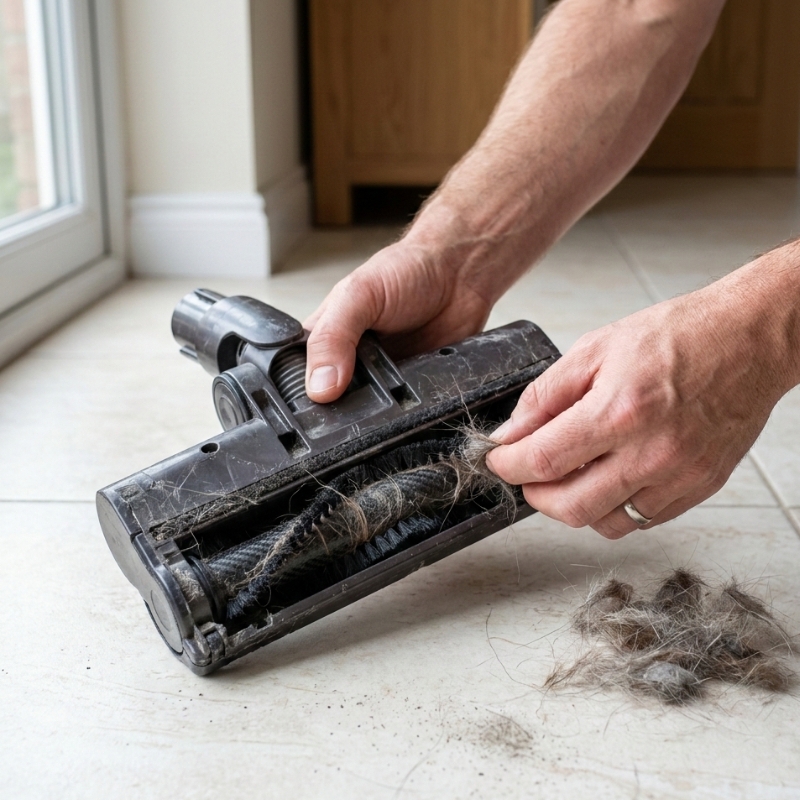
• Are end caps accessible (hair wraps here and strain bearings)?
• Is the belt replaceable (if belt-driven)?
• Does the head have a clear path for hair and lint, or does it look like it will jam?
If you have pets, prioritise:
• Easy de-tangling access
• Strong brush roll housing
• A head design that can cope with hair + grit (hair + sand is a brutal combo)
If you expect to replace wear items over time, it’s worth choosing a vacuum ecosystem where you can source those parts. For Sydney shoppers, it’s smart to check the availability of things like belts, brush rolls, and filters before you buy. A handy starting point is a category like commercial vacuum accessories so you can sanity-check what’s commonly replaceable and supported.
6) Corded vs cordless: durability trade-offs you should know
Cordless vacuums are convenient, but durability hinges on the battery and charging system.
For cordless durability, check:
• Is the battery replaceable (by the user, or at least replaceable via parts)?
• How long is the battery warranty compared to the vacuum warranty?
• Does the vacuum run hot on max mode (heat is battery enemy #1)?
• Are there clear options for replacement batteries, filters, and heads?
For corded durability, check:
• Strain relief at the cord entry point (this is where cords often fail)
• Cord thickness and flexibility
• Storage hooks that don’t sharply bend the cord
Q&A: Can a cordless vacuum last as long as a corded one?
It can, but it’s less forgiving. Cordless longevity usually depends on:
• Battery replacement availability
• Heat management (avoid long max-mode sessions for heavy-duty cleaning)
• Keeping filters clean so the motor isn’t straining
If the battery is sealed and not realistically replaceable, treat the vacuum as a shorter-life device.
7) Warranty reality check (and your consumer rights)
A long warranty is comforting, but only if it’s backed by parts support and reasonable terms.
Before you buy:
• Read what’s excluded (batteries, filters, belts, brush rolls are often classed as consumables)
• Check whether “commercial use” reduces coverage (important for offices, salons, workshops)
• Look for clarity on repair timeframes and authorised repair options
In Australia, durability is also part of “acceptable quality” expectations. If you want a plain-English reference point for how durability is considered under consumer guarantee guidance, the ACCC’s material on durability is worth a read: ACCC guidance on durability and acceptable quality.
8) Parts availability: the single best predictor of long-term value
This is the step most buyers skip, then regret later.
Ask (or check online) before purchasing:
• Can I buy replacement filters, bags, belts, and brush rolls easily in Australia?
• Are floorheads and hoses available as spare parts?
• Does the brand publish part numbers and diagrams?
• Are third-party consumables common (a sign of widespread support)?
A vacuum that’s “repairable” is usually one where you can maintain it with ordinary parts, not a proprietary mystery box.
If you want to preview the types of components that typically need replacing over a vacuum’s life, browsing a range of high-quality vacuum cleaners and parts can help you think beyond the machine and into the support system behind it.
9) Consumables and ongoing costs: don’t get surprised later
Durability isn’t only “will it break”, it’s “will it keep working well without becoming a hassle”.
Common consumables:
• Filters (pre-motor and post-motor)
• Bags (for bagged models)
• Belts (for some floorheads)
• Brush rolls and end caps
• Batteries (cordless)
• Seals and gaskets (occasionally)
What to look for:
• Clear instructions for cleaning/replacing filters
• Reasonable replacement intervals (not “replace every few weeks” unless your home is genuinely that dusty)
• Easy-to-source parts in Australia
10) The “walk away” list: signs a vacuum might be disposable
If you see multiple red flags, consider a different model.
• Battery is sealed, and replacements aren’t listed anywhere
• No visible path to get filters, belts, or floorhead parts
• Dust bin design looks like it will explode dust when emptied
• Filters are awkward to access or feel flimsy
• Hose connection feels loose even when new
• Floorhead jams easily during a demo (hair wrap is a warning sign)
• Warranty sounds long, but exclusions are broad and unclear
A simple durability decision path (use this in-store)
If you’re stuck between two models, run this quick comparison:
• Which one has easier access to filters, brush roll, and hose path?
• Which one has clearer spare part availability (especially battery if cordless)?
• Which one feels sturdier at the joints and latches?
• Which one is more likely to keep airflow strong with your kind of dust and debris?
Choose the one that’s easiest to maintain. Easy maintenance is not a “nice to have” — it’s how you prevent motor strain and premature wear.
The maintenance habits that protect your purchase
A durable vacuum still needs basic care. The goal is to protect the airflow and moving parts.
Here’s a practical routine:
• Empty the bin (or change the bag) before it’s overfull
• Clean or replace filters on schedule (more often if you have pets or renovation dust)
• Check the brush roll for hair wrap every couple of weeks
• Clear clogs early (reduced airflow is the fastest route to overheating)
• Don’t store a vacuum with a tightly kinked hose or sharply bent cord
If you want a straightforward reference point for what to keep on hand and what to check routinely, vacuum cleaner maintenance essentials is the mindset that keeps a good vacuum feeling new for longer.
Q&A: How do I know my vacuum is overheating?
Common signs include:
• Hot plastic smell
• Sudden shut-off (thermal cut-out)
• Very hot air blowing from vents
• New, higher-pitched motor noise
If it keeps happening after filter cleaning and clog checks, stop using it and get it assessed. Repeated overheating can permanently shorten motor life.
Q&A: What’s the best durability move for pet owners?
Prioritise:
• Easy brush roll access
• Anti-tangle design (or at least simple hair removal)
• Strong seals + effective filtration
• A floorhead that can handle hair + grit without constant jams
Hair is relentless. A vacuum that makes hair removal easy will last longer because you’ll actually keep it clean.
FAQ: Durable vacuum buying questions Sydney shoppers ask
How long should a vacuum last?
For a well-supported vacuum that’s maintained properly, many households expect multiple years of solid performance. Lifespan varies by usage, dust load, and whether parts are replaceable, but “durable” usually means you’re not replacing it annually due to avoidable failures.
Are bagged vacuums more durable than bagless?
Bagged vacuums can be easier on the motor because the bag acts as a large filter and dust stays contained. Bagless can also be durable, but it’s more sensitive to filter cleaning and correct emptying. Durability depends more on sealing, airflow design, and parts support than on bagged vs bagless alone.
Is a higher price always more durable?
No. Some expensive vacuums still have weak points (like poor parts availability or awkward filters). Use the checklist: joints, seals, filtration access, motor protection, and spare parts matter more than price tags.
What’s the biggest mistake buyers make?
Not checking parts availability. If you can’t easily replace filters, brush rolls, belts, or batteries, the vacuum’s life is often limited by the first worn component.
What should I check if I’m buying online?
Look for:
• Clear photos of filters and floorhead access
• Mentions of replaceable battery (cordless)
• Availability of part numbers or spares
• Warranty details and exclusions
• Reviews that mention longevity, not just first-week performance
How do I reduce wear on the brush roll?
Remove hair regularly, avoid sucking up long strings or tassels, and don’t keep running the head when it’s jammed. Jams strain belts and bearings fast.
When is it time to stop DIY troubleshooting and get help?
If you notice sparking, burning smells, repeated shut-offs, a damaged cord, or a major change in motor noise, stop using the vacuum and have it checked. Safety and motor protection come first.