




















Blog
Graffiti Remover Chemicals vs DIY Products: What Works Best in Australia?

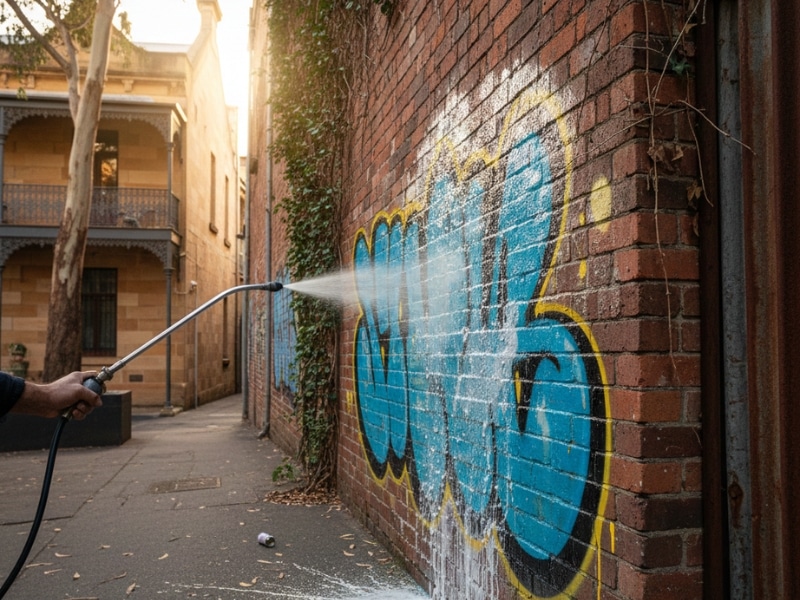
Graffiti is an ongoing issue across Australia — from suburban brick fences in Sydney to concrete laneways, shopfronts, schools, and council infrastructure nationwide. When graffiti appears, the big question is always the same: should you use a DIY method or invest in professional graffiti remover chemicals?
While DIY graffiti removal techniques are often promoted as quick and cheap, they don’t always deliver reliable results — especially under harsh Australian conditions. This guide breaks down what actually works, when DIY solutions fall short, and why professional-grade products are often the smarter long-term choice.
Whether you’re a property manager, business owner, council worker, or homeowner, this comparison will help you make an informed decision.
Understanding Graffiti Removal in Australia
Australia’s climate, construction materials, and regulatory standards all influence how effective a graffiti removal method will be.
Common Surfaces Affected by Graffiti
• Brick and masonry
• Concrete and render
• Metal shutters and fencing
• Painted walls
• Glass and signage
Each surface reacts differently to solvents, pressure, and abrasives — which is why a one-size-fits-all approach rarely works.
What Are DIY Graffiti Removal Methods?
DIY graffiti removal usually refers to household products or retail cleaning solutions that are easily accessible and marketed as quick fixes.
Common DIY Graffiti Removal Options
• Sugar soap
• Methylated spirits
• Acetone or nail polish remover
• Pressure washing
• Retail “graffiti wipes”
• Baking soda or vinegar mixes
These methods can sometimes work on fresh graffiti, particularly on non-porous surfaces like glass or smooth metal.
Limitations of DIY Graffiti Removal
While DIY methods may seem cost-effective upfront, they come with significant drawbacks.
1. Limited Effectiveness on Porous Surfaces
Australian buildings often use brick, concrete, and sandstone, which absorb paint deeply. DIY products rarely penetrate far enough to remove graffiti completely.
2. Risk of Surface Damage
• Pressure washing can etch concrete
• Solvents can strip paint or sealants
• Abrasives may permanently mark masonry
3. Time-Consuming and Inconsistent Results
DIY methods often require:
• Multiple attempts
• Scrubbing and reapplication
• Ongoing maintenance
This adds hidden costs in labour and downtime.
4. Safety Concerns
Improper use of solvents without PPE can lead to:
• Skin burns
• Respiratory irritation
• Environmental runoff issues
What Are Professional Graffiti Remover Chemicals?
Professional graffiti remover chemicals are formulated specifically to break down spray paint, ink, and marker without damaging underlying surfaces.
They’re widely used by:
• Cleaning contractors
• Councils
• Transport authorities
• Commercial property managers
High-quality professional graffiti remover chemicals are designed for Australian conditions and comply with local safety expectations.
Why Professional Graffiti Remover Chemicals Work Better
1. Targeted Chemical Formulation
Professional products are engineered to:
• Penetrate porous materials
• Lift paint without spreading pigments
• Reduce ghosting and shadowing
2. Surface-Specific Solutions
Different formulas exist for:
• Concrete and brick
• Painted surfaces
• Metal and plastic
• Sensitive substrates
This ensures effective removal with minimal damage.
3. Faster, More Consistent Results
Using professional products means:
• Fewer applications
• Less labour
• Predictable outcomes
This is critical for commercial and council environments.
DIY Products vs Professional Chemicals: Side-by-Side Comparison
Effectiveness
• DIY: Inconsistent, limited to fresh graffiti
• Professional: High success across surfaces and paint types
Cost Over Time
• DIY: Lower upfront, higher long-term cost
• Professional: Better value due to efficiency
Safety
• DIY: Higher risk if misused
• Professional: Clear usage guidelines and PPE compatibility
Surface Protection
• DIY: Higher chance of damage
• Professional: Designed to protect substrates
Australian Conditions Matter More Than You Think
Australia’s environment creates unique challenges for graffiti removal.
Climate Factors
• Heat can bake paint into surfaces
• UV exposure accelerates pigment bonding
• Rain can spread untreated graffiti residues
Specialised graffiti removal solutions for Australian surfaces are formulated to handle these challenges, while DIY methods often don’t.
Safety and Compliance Considerations
When using any graffiti remover, safety should never be overlooked.
Best Practice Safety Measures
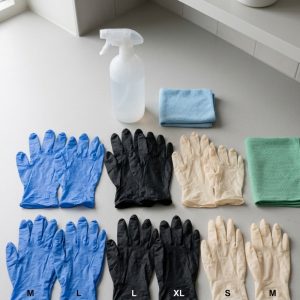
• Wear gloves and eye protection
• Ensure proper ventilation
• Follow manufacturer instructions
• Dispose of waste responsibly
For workplaces, it’s essential to align with Safe Work Australia’s chemical safety guidance, which outlines correct handling, storage, and risk management requirements.
When DIY Might Be Acceptable
DIY graffiti removal may be suitable if:
• The graffiti is fresh
• The surface is non-porous
• The area is small
• No harsh solvents are required
However, these situations are the exception, not the rule.
When Professional Graffiti Remover Chemicals Are the Better Choice
Professional products are ideal for:
• Brick, concrete, and masonry
• Commercial and public spaces
• Repeated graffiti incidents
• Time-sensitive removals
Using commercial-grade graffiti remover products also reduces the likelihood of repeat tagging by fully removing paint residues.
Choosing the Right Graffiti Remover Product
When selecting a product, consider:
• Surface type
• Paint or ink used
• Environmental exposure
• Safety requirements
Reliable Australian suppliers like AC Cleaning Supplies offer purpose-built options suitable for both trade and public-sector use.
Final Verdict: What Works Best in Australia?
For most Australian properties, professional graffiti remover chemicals clearly outperform DIY products. They deliver better results, protect surfaces, save time, and reduce long-term costs — making them the preferred solution for serious graffiti removal.